
The 5 types of EV batteries — and the pros and cons of each
Electric-vehicle battery technology is moving fast, but what types of EV batteries are available today, and how do they differ?
Michael Fousert | Unsplash
From sleek sedans to powerful SUVs, electric vehicles are changing how we travel. At the heart of every EV lies its battery — the powerhouse that stores and delivers the energy it needs. Just as understanding the engine is important if you own a gasoline car, understanding battery technology is essential for EV owners and those considering making the switch.
The battery typically accounts for around 40% of an EV’s cost, so it’s worth knowing what you are paying for and why some batteries are better than others.
Early EV batteries had a number of issues, and some of these shortcomings persist, driving the race for better alternatives. Short ranges are impractical for many drivers, which has spurred a search for solutions with higher energy density. Slow charging is another key consumer concern, so speeding up charging is essential to increasing EV uptake. Other key priorities include boosting battery lifespan and improving safety, to prevent overheating and fires.
On top of all that, rare materials used in batteries — such as lithium, cobalt, and nickel — are not evenly distributed around the world. Concerns about resource scarcity, the environmental toll of mining, and geopolitical risks are driving the search for alternative materials.
Research to address these and other issues has led to the development of new battery technologies, each with their own unique advantages and shortcomings. Here’s a roundup of the different types of EV batteries now available or in development.
1 / 5
1. Lithium-ion batteries
Tennen-Gas | Wikimedia Commons
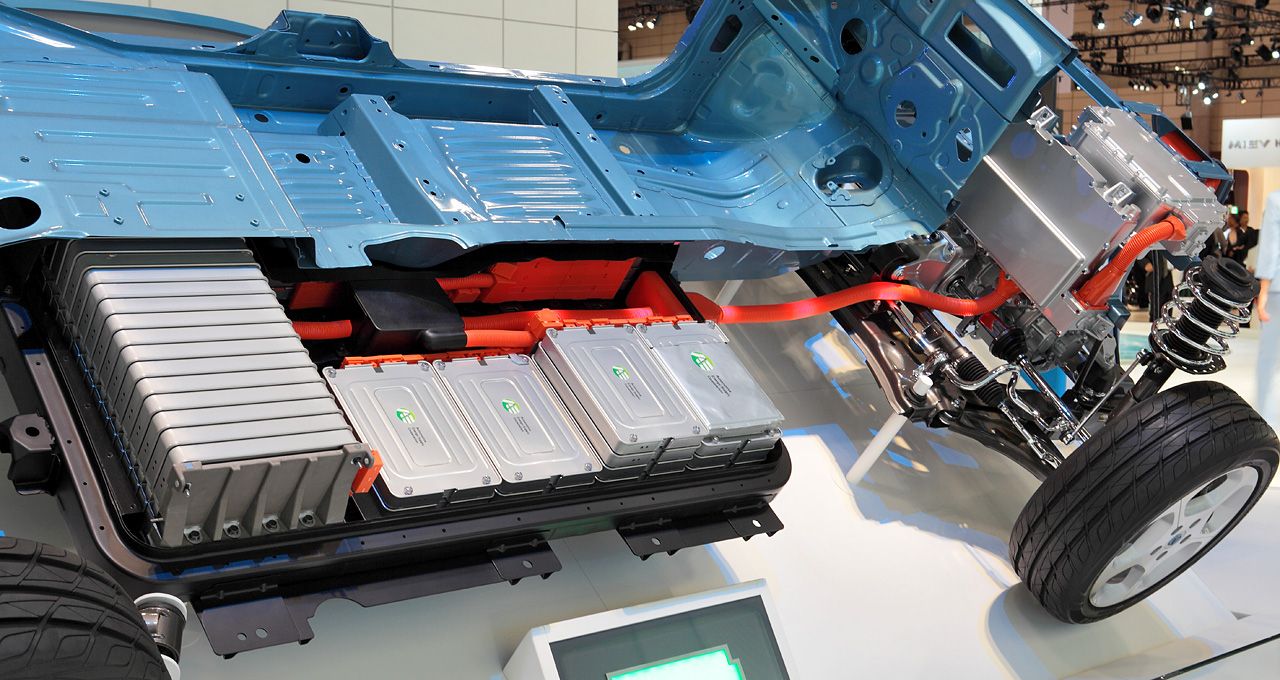
Lithium-ion (Li-ion) batteries are the workhorses of the EV world. They use lithium ions to move energy between the positive and negative electrodes through a liquid electrolyte. This battery type has a high energy density and a long lifespan, but is typically slow to charge. New, thin-electrode versions can charge in under 15 minutes, but they are twice the price of standard thick-electrode batteries. You’ll find Li-ion batteries in most EVs on the road today, from Tesla $TSLA to Nissan and beyond.
2 / 5
2. Lithium iron phosphate batteries
J Dean | Unsplash
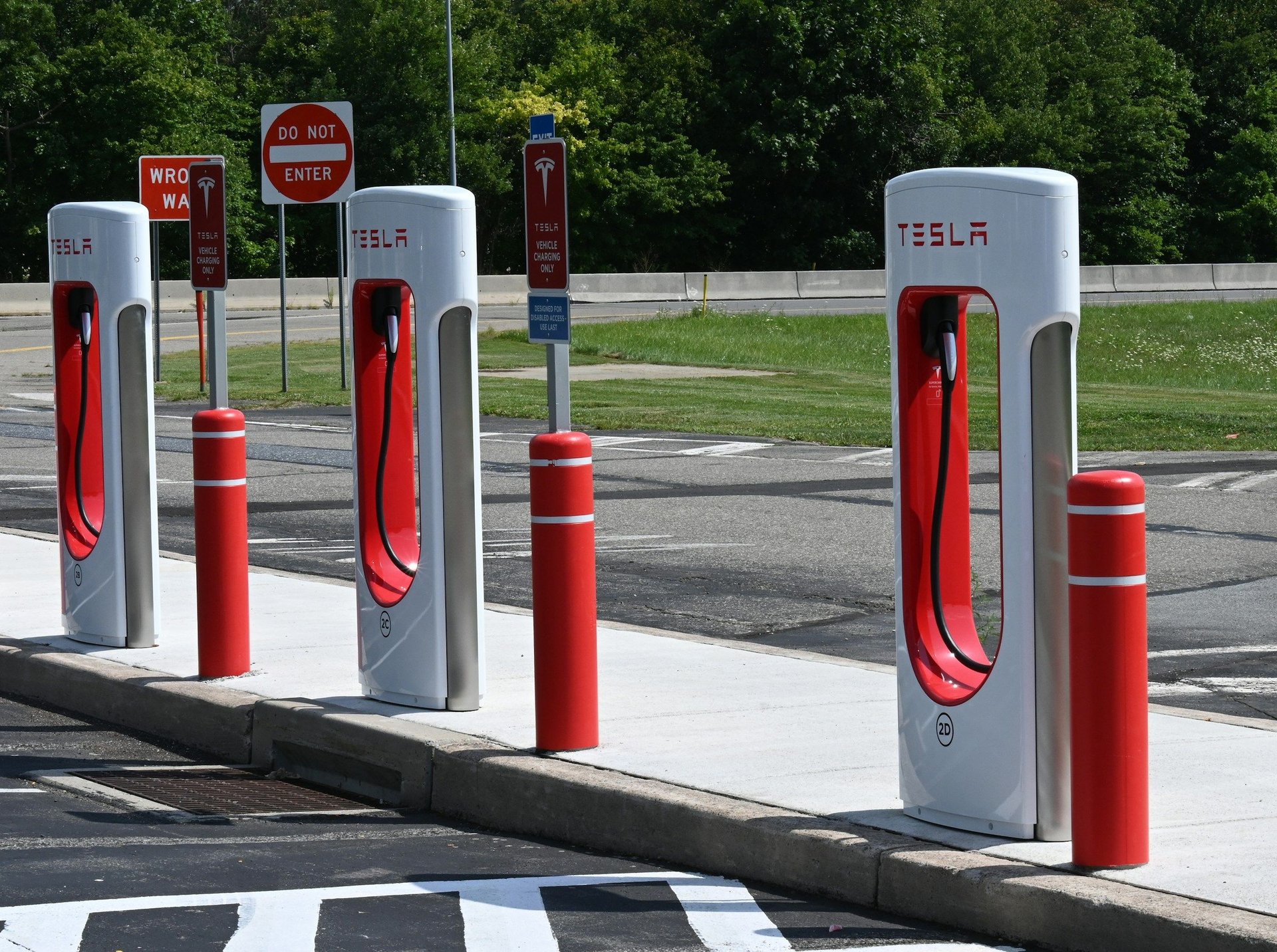
Lithium iron phosphate (LFP) batteries are a type of Li-ion battery that utilizes iron phosphate as its cathode. Because they do not use cobalt or nickel, LFP batteries are generally considered a more sustainable option. They also perform significantly better at lower temperatures. Studies show exceptional stability in temperatures that typically cause slower chemical reactions in other battery types. Although they suffer from lower energy density, Tesla $TSLA is adopting LFP batteries for their standard-range models, and these batteries are gaining popularity, especially in China.
3 / 5
3. Nickel-metal hydride batteries
Hyundai Motor Group | Unsplash
Nickel-metal hydride (NiMH) batteries use a hydrogen-absorbing alloy for the negative electrode and nickel hydroxide for the positive electrode. They have a good safety record, plus better long-term performance and a lower upfront cost than other types of batteries. They are also more tolerant of dust and dirt, but compared to Li-ion batteries, they're usually less energy-dense and more sensitive to high and low temperatures. While less common in pure EVs, NiMH batteries are still used in hybrid vehicles like the Toyota $TM Prius.
4 / 5
4. Solid-state batteries
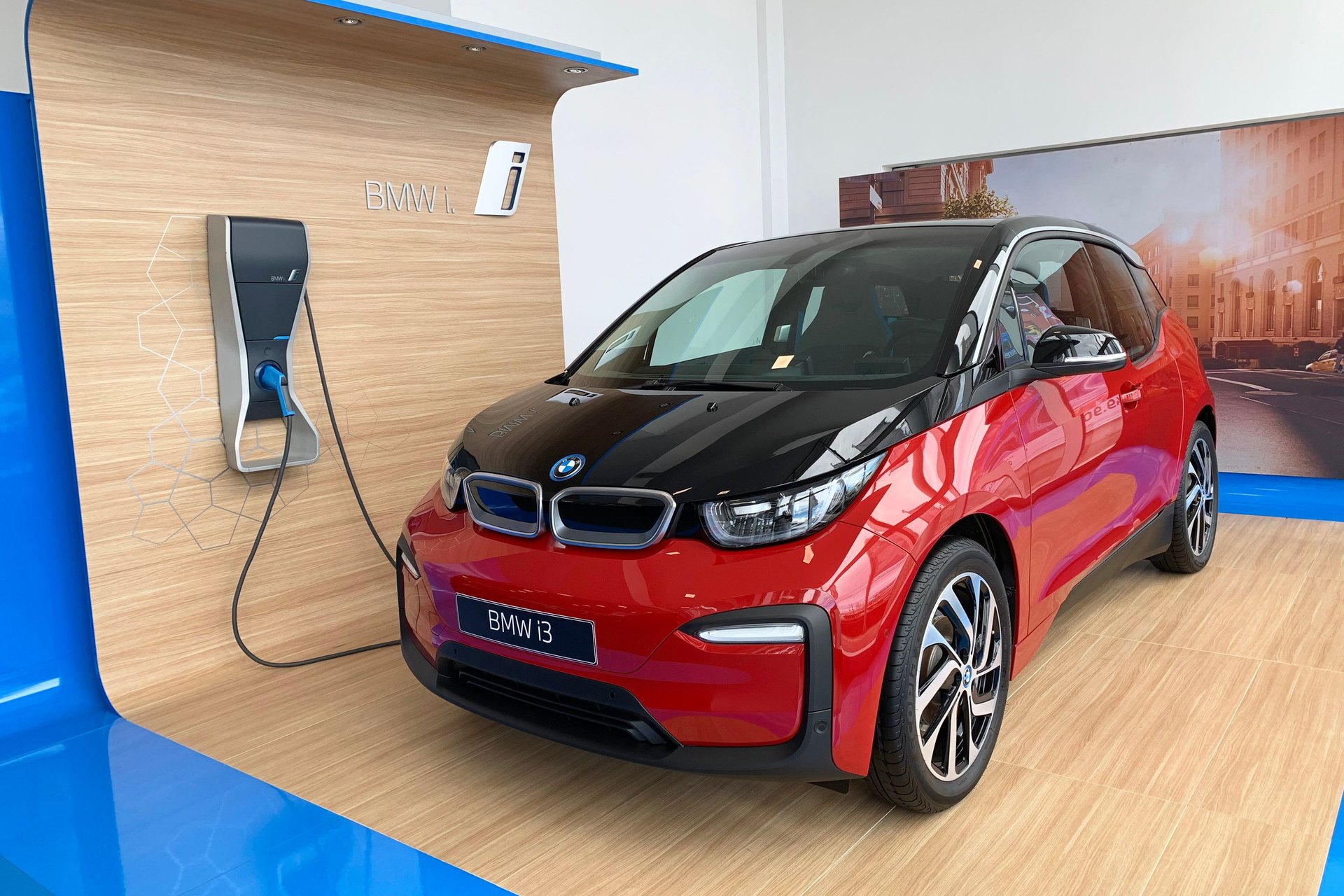
Mario Roberto Durán Ortiz | Wikimedia Commons
Solid-state batteries use a plastic polymer instead of liquid electrolytes. This allows for potentially higher energy density, improved safety because the battery is less flammable, and faster charging times. Recent developments in creating sulfide solid-state electrolyte membranes show that they can be as conductive as the liquid electrolytes used elsewhere. While manufacturing cost is a barrier, many experts believe solid-state batteries will be a game-changer for the EV industry in the near future.
5 / 5
5. Sodium-ion batteries
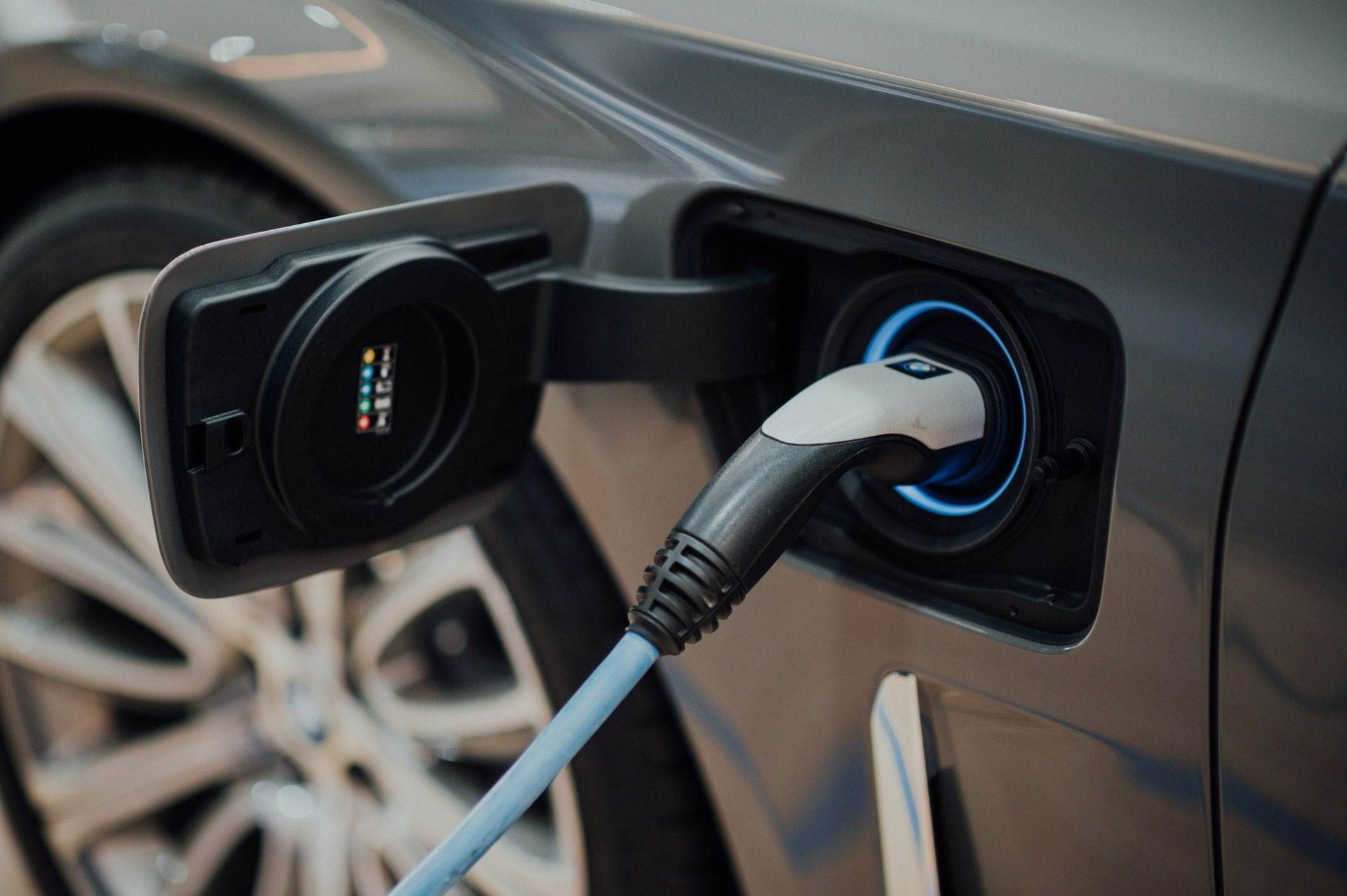
CHUTTERSNAP | Unsplash
Sodium-ion batteries are emerging as a promising alternative to Li-ion. Sodium is much more abundant and cheaper than lithium, making these power packs potentially more sustainable and affordable. They also work in sub-zero temperatures, which is a major advantage. However, sodium is around triple the weight of lithium, which would mean shorter driving ranges. Nevertheless, if challenges can be overcome, sodium-ion batteries could become a popular choice for those who do not regularly travel long distances.