
The 8 best cities in America for working parents right now
The best cities for working parents in 2025 combine career flexibility, quality schools, and supportive family environments
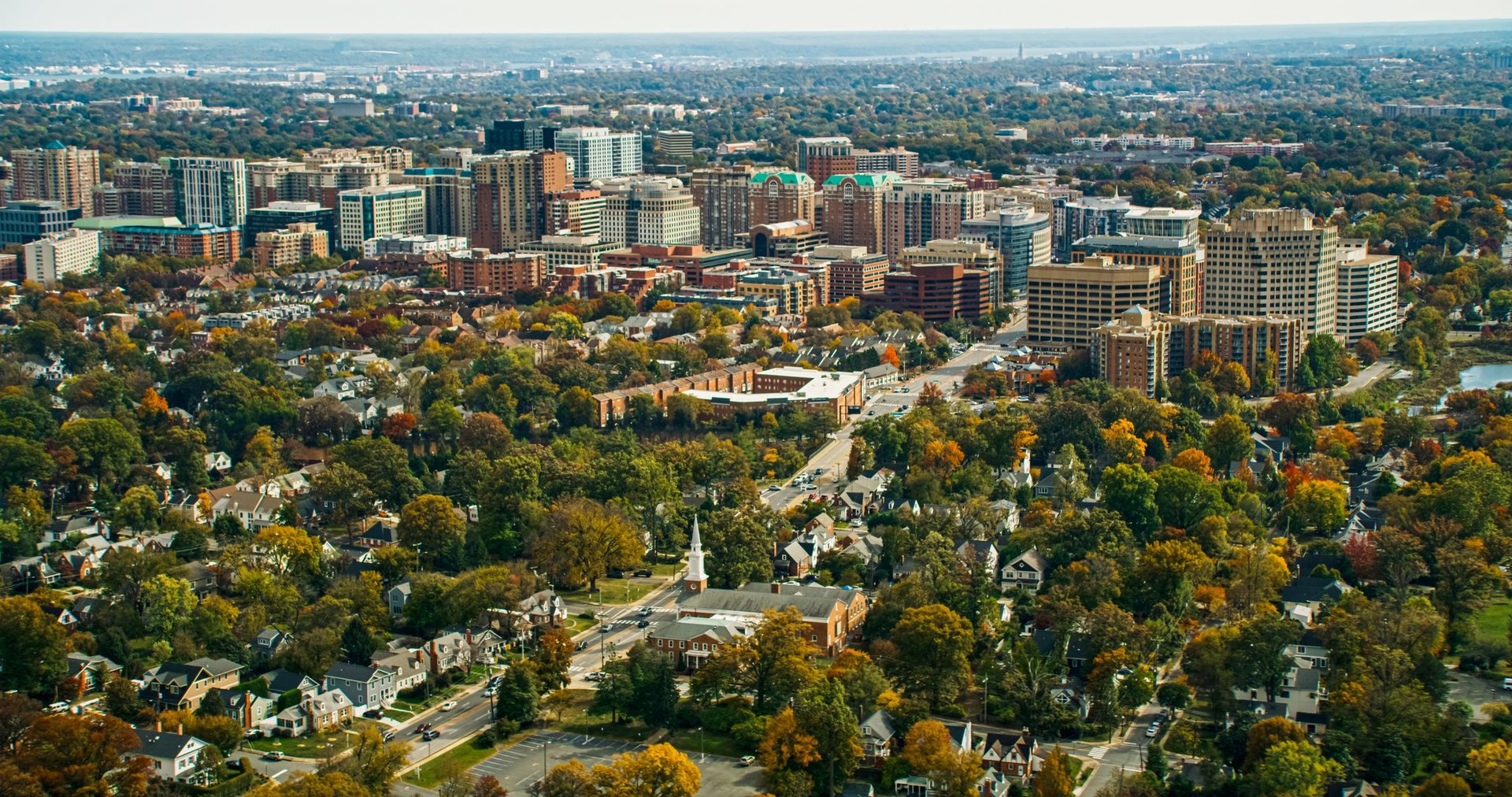
Raising children while working is a delicate balancing act, but in 2025, some U.S. cities are making it easier for working parents to thrive.
CoworkingCafe, a listing service for flexible workspaces, set out to find the best big cities in the country for working parents. The company evaluated nearly 100 cities with populations over 200,000. It considered education metrics like public school rankings, school density, and childcare affordability; work metrics like the share of remote workers; and health and environment factors like pediatrician availability, green space, and air quality.
Continue reading to see which cities made the list and why.
2 / 9
#8: Jersey City, New Jersey

Allan Baxter / Getty Images
Jersey City ranks 8th, with 21.6% of workers remote. Schools in New Jersey are a major strength, ranking 3rd nationwide, with 91.5 schools per 100,000 children. Families spend about 19% of their income on childcare. While green space is limited at 3.6 acres per 1,000 people, pediatric care is strong, with 123.3 doctors per 100,000 children.
3 / 9
#7: Minneapolis, Minnesota
.jpg)
Saibal / Getty Images
Minneapolis ranks 7th, with 23.3% of workers remote. Schools perform well, ranking 7th nationwide, with 202.3 schools per 100,000 children. While childcare takes up nearly 25% of household income, families benefit from 12.3 acres of green space per 1,000 people and 108.6 pediatricians per 100,000 children.
4 / 9
#6: San Francisco, California

Alexander Spatari / Getty Images
San Francisco ranks 6th, with 27.5% of workers remote. Schools are ranked 32nd nationwide, with 115.1 schools per 100,000 children. Families spend roughly 20.5% of income on childcare. Green space is moderate at 7.7 acres per 1,000 people, with access to 112.5 pediatricians per 100,000 children.
5 / 9
#5: Frisco, Texas

Reza Sajadirad / 500px / Getty Images
Frisco ranks 5th overall, with 33.7% of workers remote. While schools in Texas rank 40th nationwide, the city still offers 120.3 schools per 100,000 children. Childcare is especially affordable at 7% of median income. Families enjoy 9.6 acres of green space per 1,000 residents, though pediatric care is more limited at 85.3 doctors per 100,000 children.
6 / 9
#4: Miami, Florida

Art Wager / Getty Images
Miami ranks 4th, with only 14.2% of workers remote. Although schools in Florida rank 41st nationwide, families only spend about 16.9% of their income on childcare. Green space is limited to 3.3 acres per 1,000 people, and pediatric care is solid at 103.8 doctors per 100,000 children.
7 / 9
#3: Seattle, Washington

Mekdet / Getty Images
Seattle ranks 3rd, with 31.3% of workers remote. Schools in Washington are strong, ranking 4th nationwide, with 129.2 schools per 100,000 children. Families spend about 19.7% of their income on childcare. The city provides 8.6 acres of green space per 1,000 residents and 117.4 pediatricians per 100,000 children.
8 / 9
#2: Arlington, Virginia
halbergman / Getty Images
Arlington ranks 2nd, with 31.5% of workers remote. Schools in Virginia rank 9th nationwide, with 98.2 schools per 100,000 children. Childcare costs are about 21.1% of income. Families have access to 7.2 acres of green space per 1,000 people and 109.1 pediatricians per 100,000 children.
9 / 9
1. Washington, D.C.

EyeEm Mobile GmbH / Getty Images
Washington, D.C. ranks 1st overall, with 29.4% of workers remote. Schools rank 11th nationwide, with 194.9 schools per 100,000 children. Families spend nearly 24% of income on childcare. The city also provides 12.1 acres of green space per 1,000 residents and the nation’s strongest pediatric care network, with 590.7 doctors per 100,000 children.