
The 6 best volunteer opportunities for making a difference
Explore some of the powerful ways to give back through volunteering and make a lasting impact in your community and beyond

Ray Sangga Kusuma | Unsplash
Studies show that volunteering benefits your well-being by reducing stress, anxiety, depression, and anger. It also keeps you fit and healthy when your work requires walking and doing manual labor.
Volunteering also helps build expertise. The invaluable knowledge you gain through voluntary work enables you to connect with others, build a professional network, and develop your work ethic, skills, morals, and values. If you have little to no knowledge in a specific field, volunteering is a strategic way to help yourself and the community by offering your services, time, and willingness to learn. It can even help you find a job through your contacts at the organization you're supporting and among your fellow volunteers. Plus, you can add your experience to your resume.
In addition to contributing to the community and improving your mental, physical, and financial condition, volunteering demonstrates a global commitment to social change. There are over 75 million volunteers in America, and the number continues to rise because more people desire to make a positive and lasting impact, improve their physical and emotional well-being, and learn new skills. These volunteers provided over 4 billion hours of service, helping the community foster a sense of participation and belonging.
Here are some of the best volunteer opportunities that will help you make a difference.
1 / 6
1. Serve in a soup kitchen

Kristian Angelo | Unsplash
If you can’t donate groceries, offer your skills and services at a soup kitchen. Volunteering gives you a direct way to feed people, as well as foster community engagement and relationships. About 13.5% of U.S. households were food insecure in 2023, and the need remains great. Soup kitchens also often help connect guests with additional local resources, such as shelter referrals or health services, extending support beyond just the meal.
2 / 6
2. Be a volunteer firefighter

Jay Heike | Unsplash
Volunteer firefighters respond to emergencies, support disaster response, and educate the community on fire safety. There are over 29,000 fire departments in the U.S., and 64% are entirely made up of volunteers who respond to various emergencies. They assist with fires, medical incidents, search and rescue, accidents, traffic control, administration work, and community events. Volunteering as a firefighter builds physical fitness, teamwork, and communal trust.
3 / 6
3. Volunteer at an animal shelter

Markus Winkler | Unsplash
If you love working with animals, volunteering at a local shelter encourages responsible pet ownership, provides needed services, and fosters a humane environment. Shelters often need assistance walking dogs, socializing cats, and assisting at adoption events. You can enjoy the company of animals and assist staff so they can focus on finding permanent homes for them. Pets can help you, too, by reducing your stress and anxiety levels.
4 / 6
4. Assist those with disabilities
Josh Appel | Unsplash
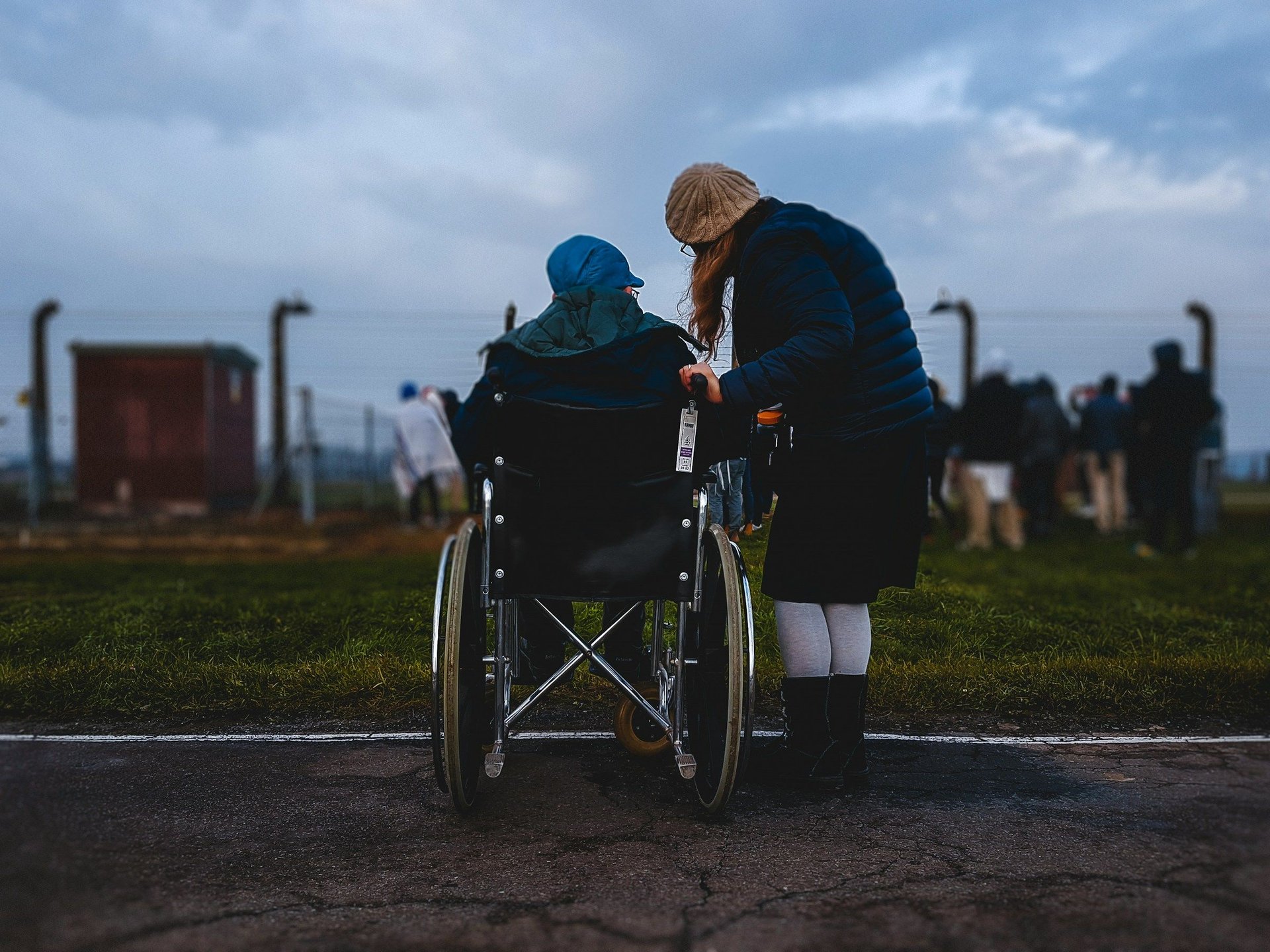
Supporting people with disabilities can include participating in inclusive recreation or offering companionship. Your assistance encourages independence, builds self-confidence, and fosters a more inclusive community while embodying a sense of belonging. These experiences help volunteers develop empathy and promote awareness across abilities. You can help people cross the road, assist blind individuals through apps, or learn sign language to translate.
5 / 6
5. Volunteer with disaster relief organizations
Salah Darwish | Unsplash
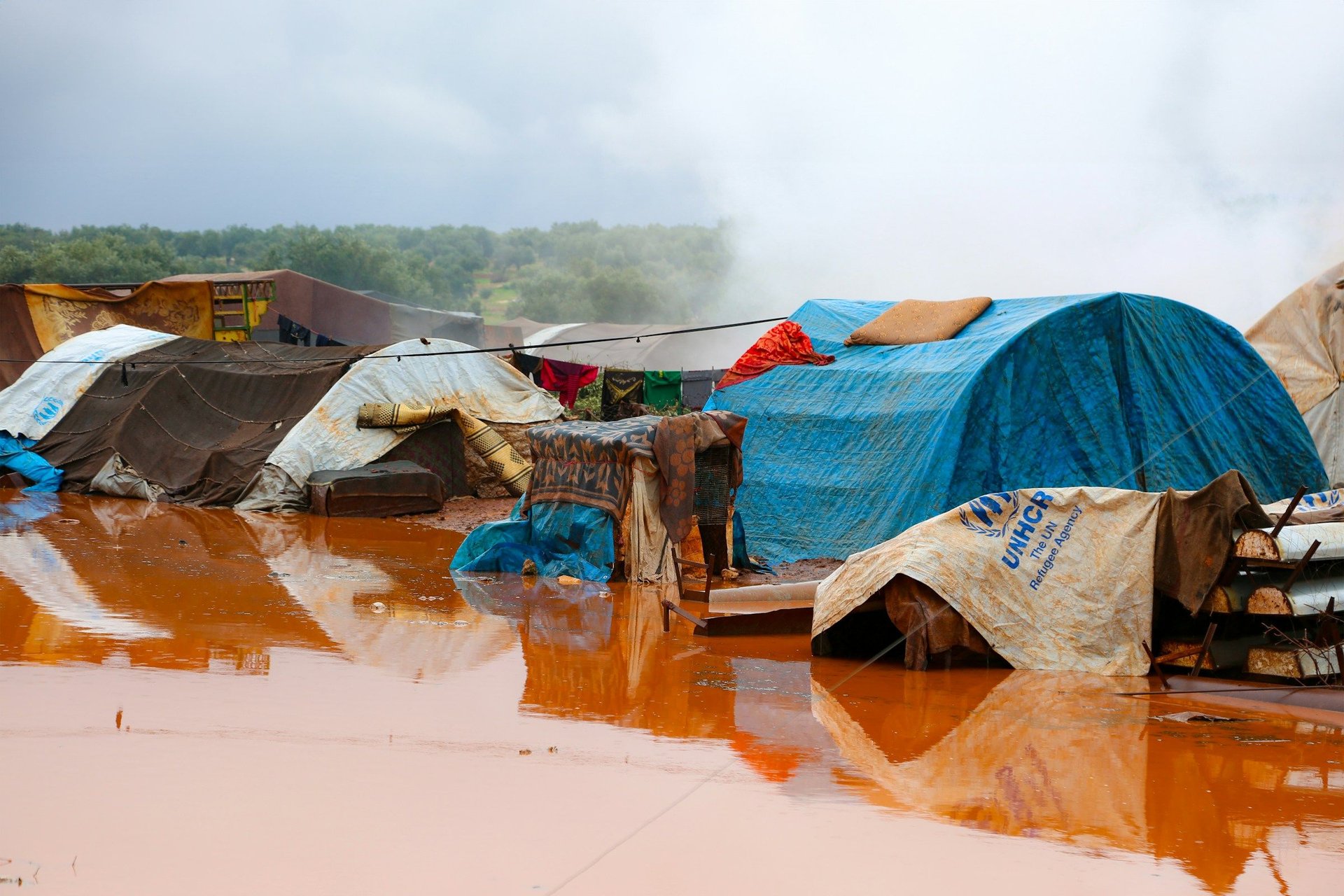
Disaster relief programs require volunteer services for emergency shelters, supply distribution, and rebuilding efforts in crises like floods, wildfires, hurricanes, and tornadoes. Organizations like the American Red Cross rely on volunteers globally for food, shelter, health care assistance, and more. You can join organizations or use mapping tools to respond to crises and help those in need.
6 / 6
6. Support a local food bank
Joel Muniz | Unsplash
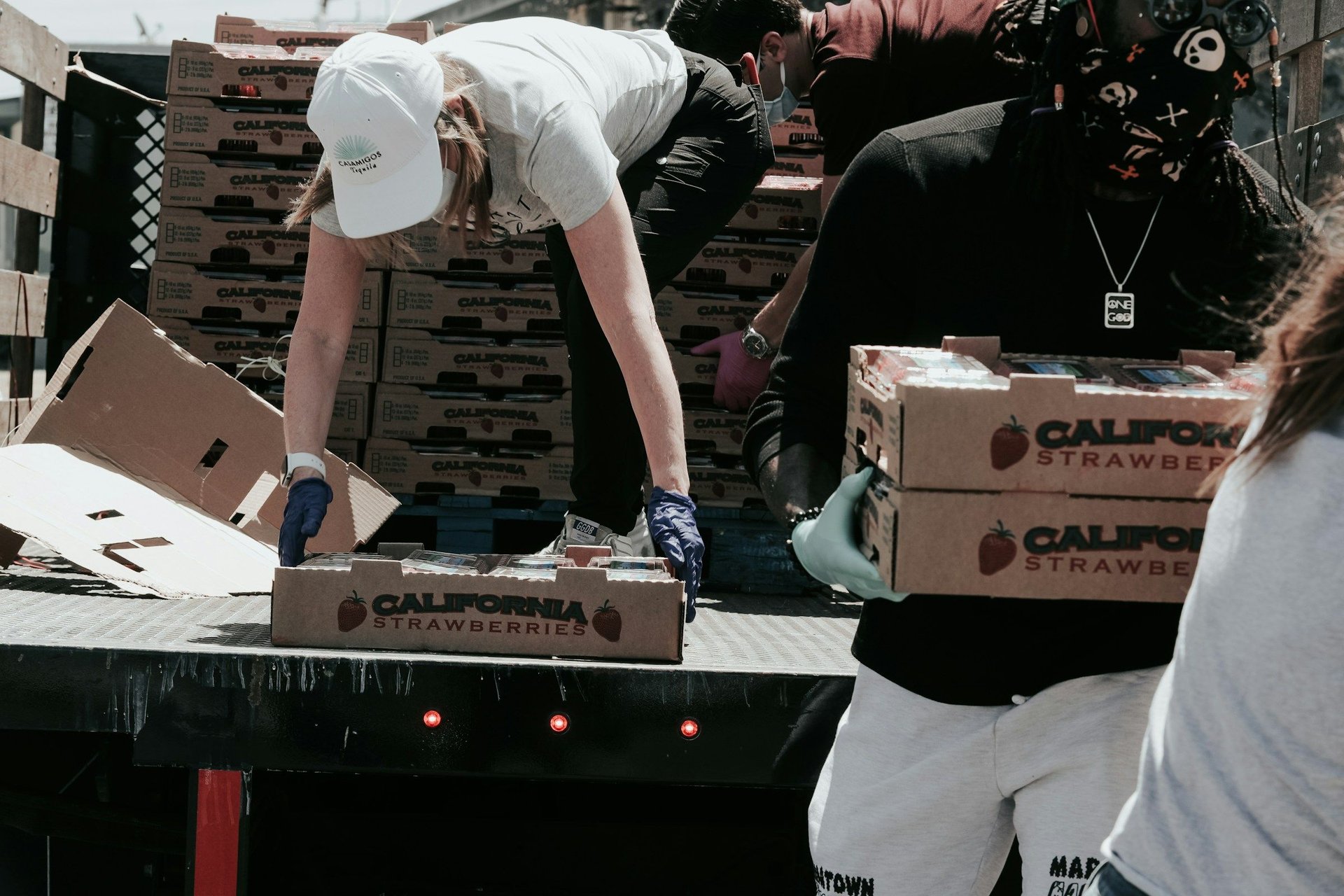
Food banks depend on volunteers for financial and physical assistance. You can donate or help pack food boxes and distribute the packages to needy families. These programs aim to reduce food scarcity and support community resilience. Whether you commit to a few hours or a full shift, volunteering at food banks contributes to helping the more than 53 million people who need help accessing essential nutrition. Your finances and physical assistance can make a difference in combating community hunger.