
🌏 Cutting deep
Plus: Wish you weren't here.
Good morning, Quartz readers!
Here’s what you need to know
Dimon in the rough. JPMorgan $JPM CEO Jamie Dimon called President Donald Trump’s tariffs “too large, too big, and too aggressive” — and didn’t rule out the possibility of a recession.
Related Content
Economic overdrive. Lyft $LYFT’s CEO, however, doesn’t seem to be worrying about a recession. Bookings grew for the 16th-straight quarter, even while other companies’ growth slowed.
Jet set, go. Boeing $BA just became the first big winner in the tariffs-era negotiations. A day after a U.S.-U.K. trade deal was announced, IAG said it bought almost $13 billion worth of Boeing’s planes.
United we fall. The Newark Airport chaos has continued, and the CEO of United, which has a big hub at the airport, has certain steps he wants the FAA to take to fix the issues.
Low battery. Panasonic, a key Tesla $TSLA battery supplier, just announced that it will have to slash jobs — almost 5% of its workforce, after it reviewed “operational efficiency.”
Chain’s off the hook. It was a banner week for crypto: Bitcoin topped $100,000 for the first time in months, and Ethereum surged amid growing economic optimism under a “crypto president.”
Blocked up. The founder and CEO of crypto lender Celsius Network was just sentenced to 12 years in prison for fraud, in which he made over a $48 million profit.
The brain drain
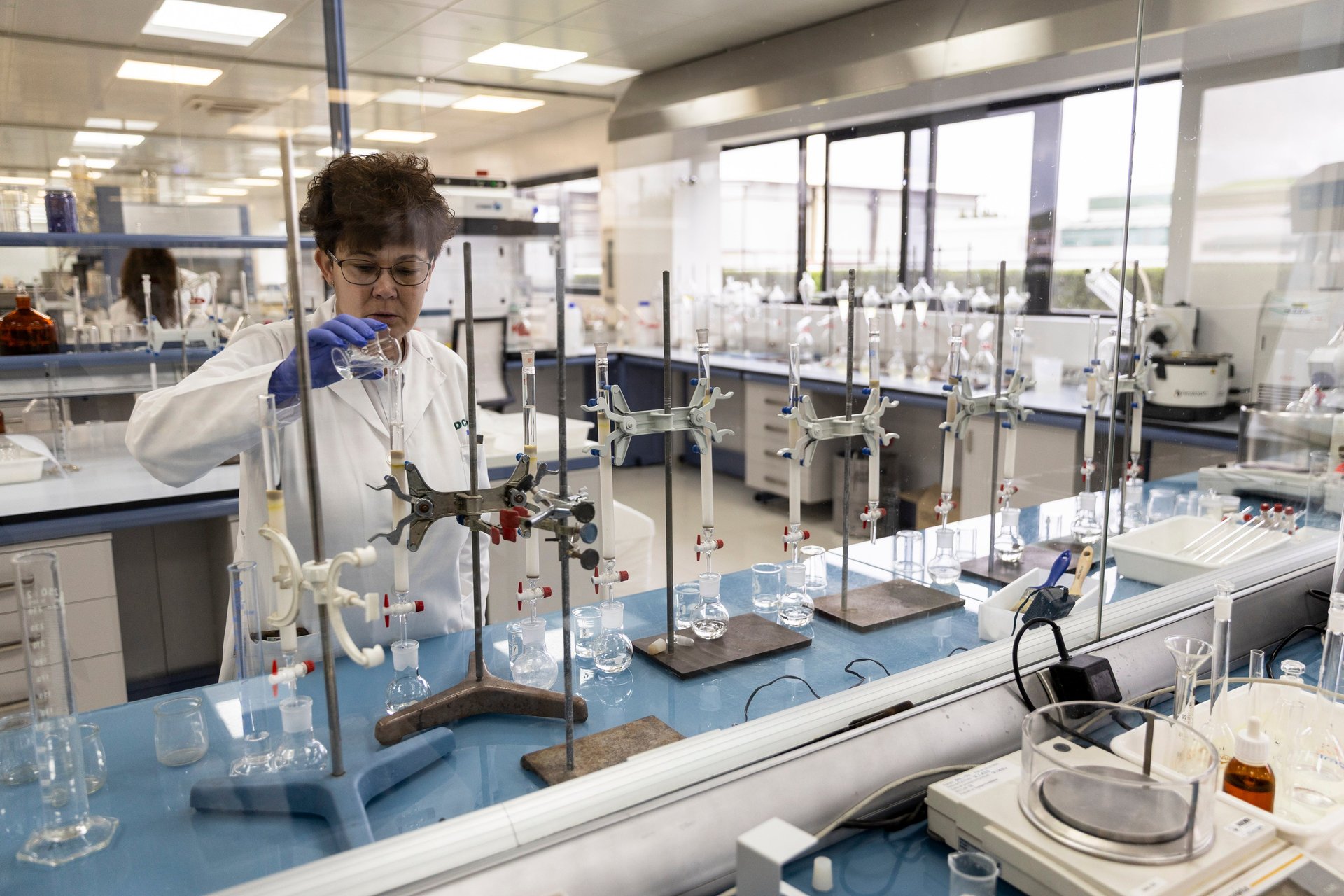
The scientific community just spilled its collective beaker: Trump’s proposed fiscal 2026 budget includes an unprecedented 23% cut — $163 billion — from federal research and development.
Under the plan, institutions such as the NIH, NSF, and NASA would see their funding as much as halved, with federal climate and ecological research nearly eliminated. Not surprisingly, scientists, economists, and others are warning that this will cost the country much more than it saves.
A recent study from American University estimates that a 25% cut in R&D could shrink the GDP by $1 trillion and make the average American $10,000 poorer. The U.S. would lose its edge in the biotech and AI arms races, and job growth from innovation would flatline. Public funding has historically fueled high-risk, high-reward breakthroughs — such as the internet, GPS, and the Human Genome Project — that the private sector wouldn’t touch in the early stages. Less federal funding means fewer patents, startups, and jobs.
Sudip Parikh, president of the American Association for the Advancement of Science, didn’t sugarcoat it: “We are no longer in a race with China on biomedical research. We will have lost that race.” Catherine Arnst has more on what happens when America defunds its future.
The travel giant reported weak first-quarter earnings Thursday, and things only got bumpier from there: It cut its full-year forecast, blaming weakened U.S. demand, and watched its stock drop 8% by Friday morning. The net loss per share? More than triple what analysts expected: $1.56.
CEO Ariane Gorin pointed to jittery consumers and said European travelers are bailing on the U.S., opting for Latin America instead.
It’s not just Expedia that’s struggling. Airbnb $ABNB also delivered a gloomy outlook last week — citing “broader economic uncertainties” for travelers; fewer Canadians are coming to the U.S.
The travel and tourism industry, which accounts for about 3% of the U.S.’ GDP, used to be a booming sector. But America’s once-envied travel trade surplus is now a $50 billion deficit, and arrivals to the U.S. by non-citizens are down 11% since March. Quartz’s Kevin Ryan has more on the red, white, and bleak travel industry.