
The big Republican plan to overhaul AI rules is hitting a wall
A proposed ban on state AI rules is fizzling out again, after blowback from conservatives like Sen. Josh Hawley and Rep. Marjorie Taylor Greene
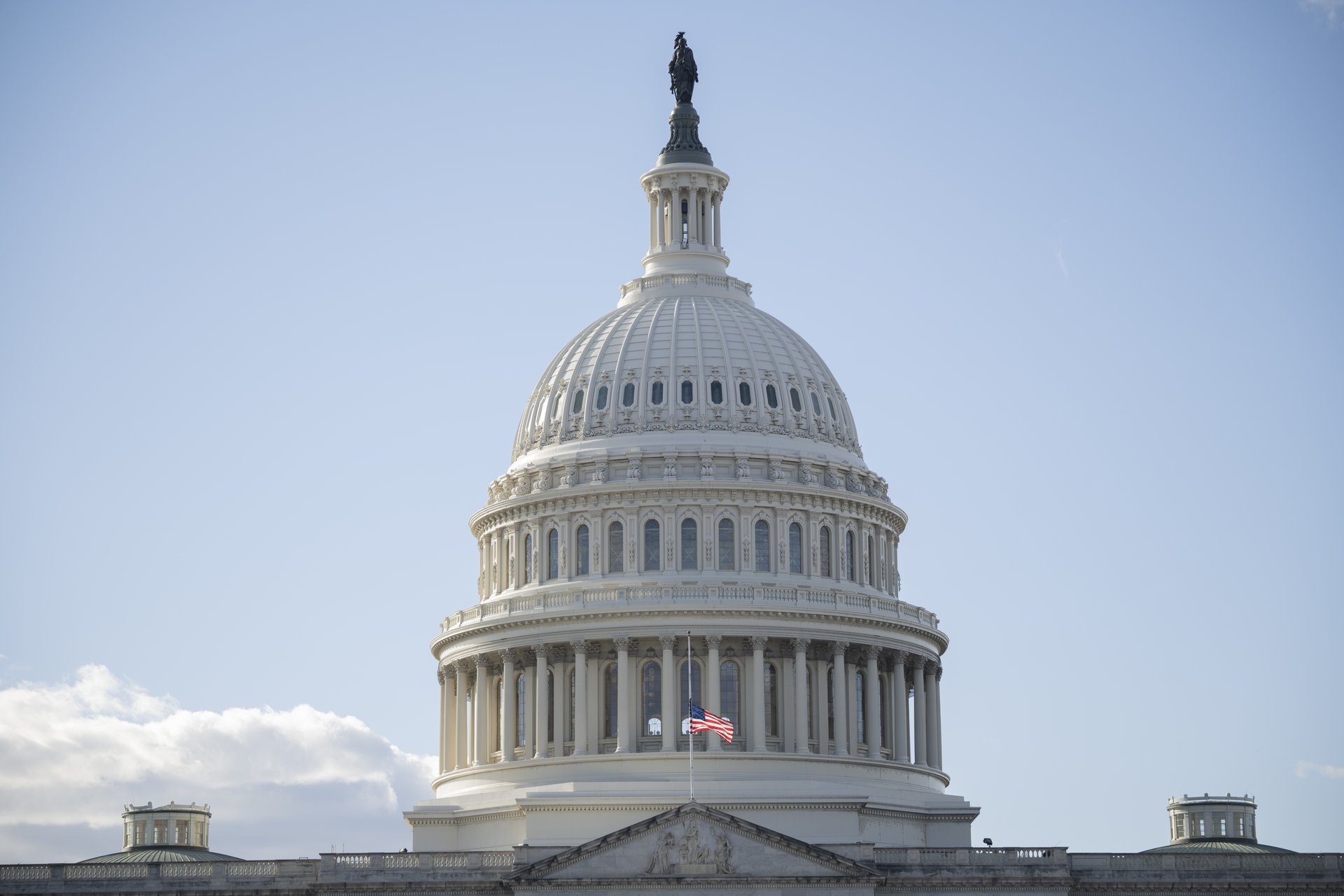
The United States Capitol building is seen in Washington D.C., United States, on November 11, 2025. (Celal Gunes/Anadolu via Getty Images)
A GOP plan in Congress to bar states from regulating AI is fizzling out again.
Suggested Reading
President Donald Trump revived an effort to enact a state-level moratorium on AI regulations last month, saying in a social media post that "We MUST have one Federal Standard instead of a patchwork of 50 State Regulatory Regimes."
Related Content
But there's little sign that Republican lawmakers will coalesce anytime soon around including the measure in the National Defense Authorization Act, the annual must-pass defense spending bill.
An earlier attempt to include the state-level AI regulation ban fell out of the GOP's so-called "Big Beautiful Bill" after blowback from hardline conservatives and AI companies like Anthropic. The Republican-controlled Senate overwhelmingly voted to strip it from the broader tax-and-spending legislation which ultimately became law on July 4.
This time, the ban didn't even clear the lower chamber as it once did. House Majority Leader Steve Scalise told reporters on Tuesday afternoon that the NDAA "wasn't the best place for this to fit." He added, "We're still looking at other places, because there's still an interest."
The development prompted cheers from opponents of the measure. "Good. This is a terrible provision and should remain OUT," said Sen. Josh Hawley of Missouri in an X post.
Other critics included GOP Rep. Marjorie Taylor Greene of Georgia, who argued to keep a fence on the federal government's authority over state lawmaking. "States must retain the right to regulate and make laws on AI and anything else for the benefit of their state," she said in a Nov. 20 social media post.
The White House remains all-in on promoting AI development and it could revisit the state moratorium in 2026, given the intense interest Trump — and AI heavy hitters such as OpenAI — have displayed on the subject. Last month, Trump signed an executive order designed to pave the way for laboratories associated with the Department of Energy to collaborate with tech companies on using AI to advance medical research.