
5 ways maintaining an EV is different than other cars
Learn more about what goes into EV maintenance before switching to the electric side of the automotive industry.
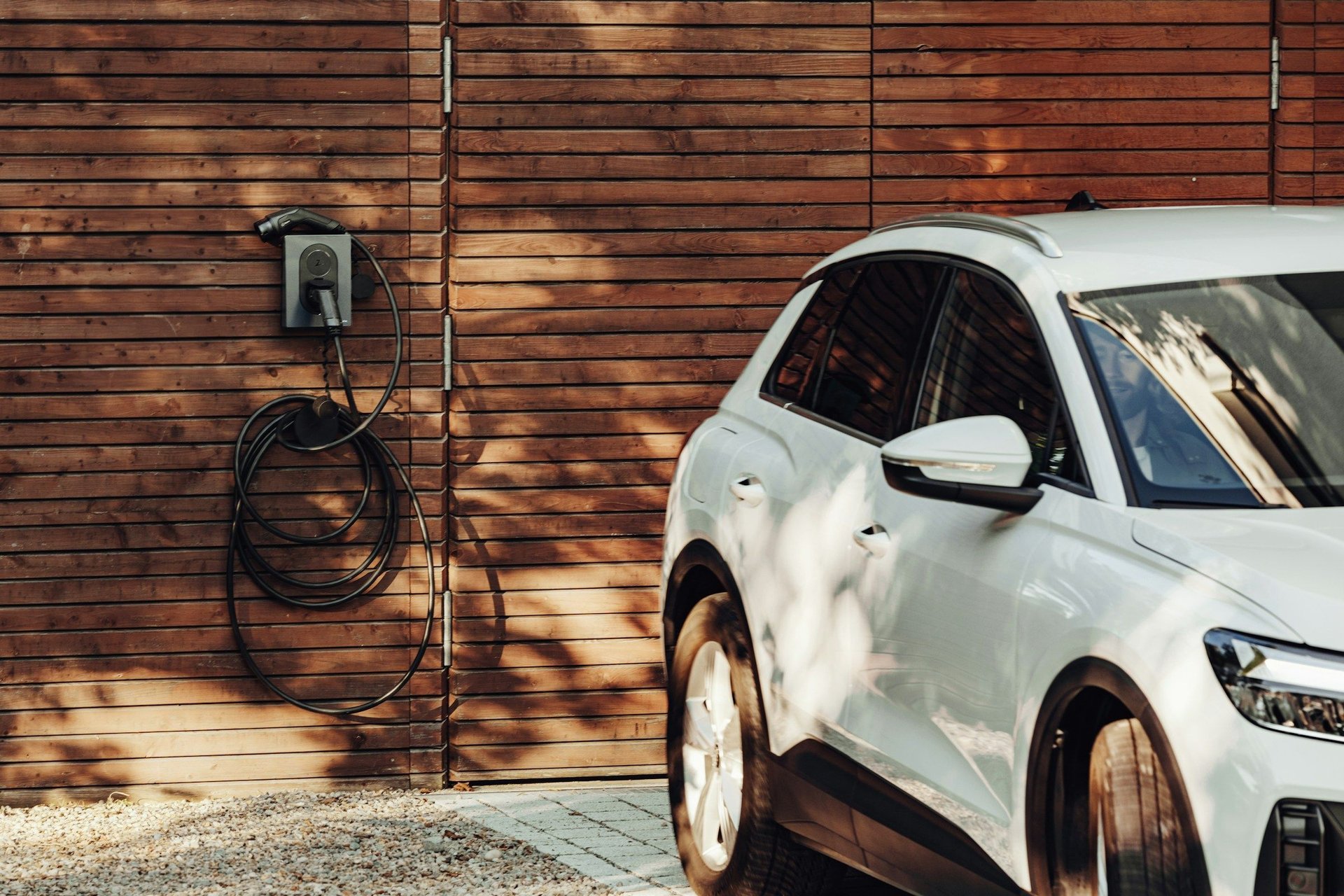
Zaptec | Unsplash
Electric-vehicle upkeep will be essential for drivers worldwide as sales rise across continents. The International Energy Agency said the global population registered 14 million EVs in 2023, bringing the world’s total to 40 million units. These cars accounted for 18% of all automobiles sold, and current trends suggest this stat will keep climbing.
Depending on where you live, you may see more EVs around town. For instance, cities like San Diego have expansive charging networks, which make it easier to find public stations and not wait for a cable. There’s plenty of interest in coastal California towns and vibrant metros like Austin.
Price tags can still dictate which car you drive off the lot, whether you want a new or used one. Experts say EVs cost about $12,000 more than a typical gas-powered car, which may drive some customers away. However, that gap could soon close because supply is increasing and batteries are becoming cheaper.
The initial costs could knock an EV out of the realistic price range for buyers, though a long-term cost analysis is necessary. Reduced maintenance costs for EVs mean you can save money over its lifespan. A 2024 NRDC report said electric cars save owners money over seven years for every vehicle type, be they pickup trucks or sedans.
Buying an EV means you benefit from more stable energy prices and avoid the volatility of gasoline. The NRDC study said electric car owners spent up to 65% less on fuel costs than other drivers. You can save even more by charging your vehicle at night and avoiding peak demand times.
1 / 5
1. Dealing with fewer moving parts
Tiago Ferreria | Unsplash
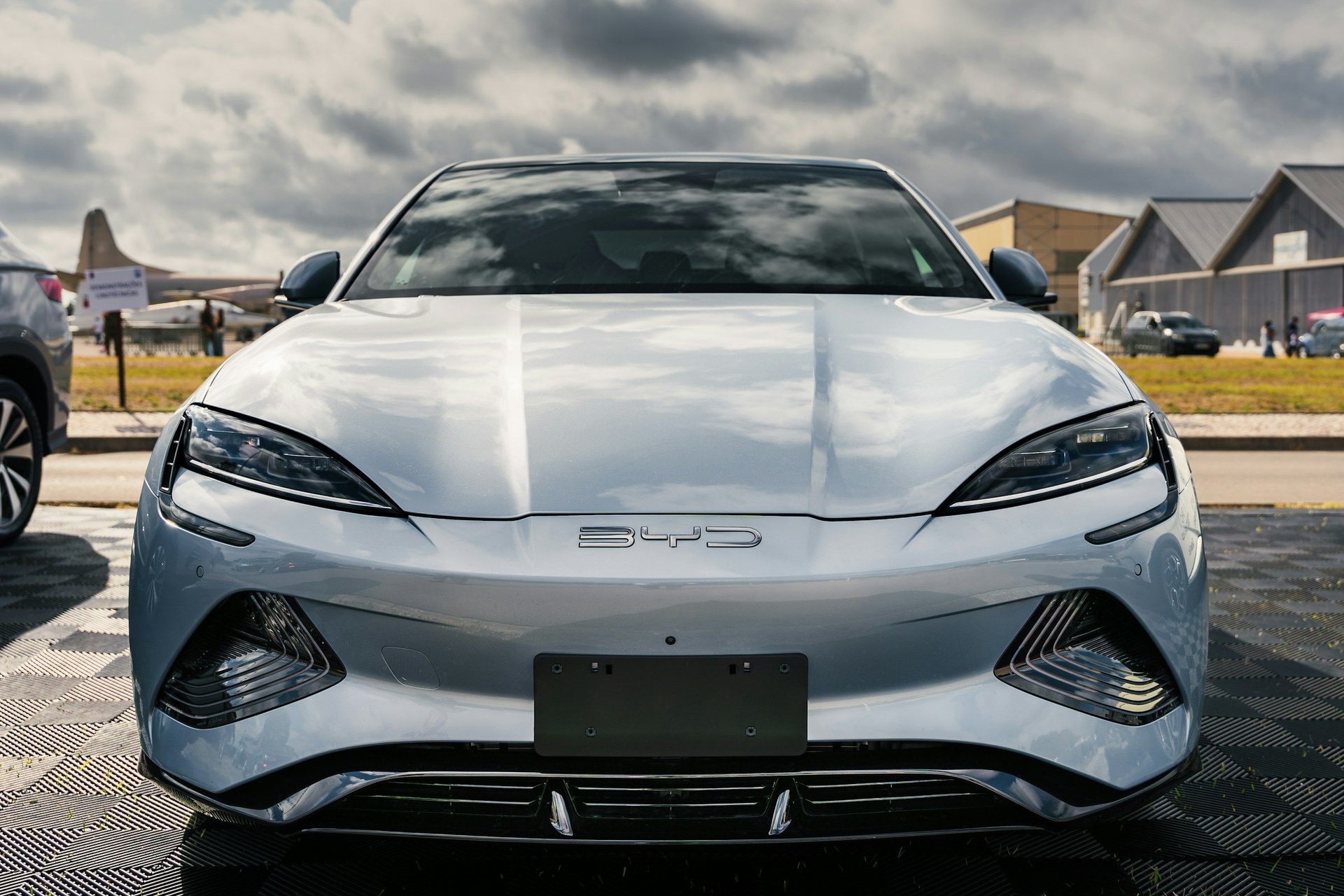
EVs are generally easier to maintain because there’s less under the hood to focus on. They have up to 90% fewer moving parts than traditional internal combustion (IC) vehicles. The primary components include the battery, a motor, a power inverter, and an onboard charger. If you have these figured out, it’s smooth sailing.
2 / 5
2. Focusing on the battery
JUICE | Unsplash
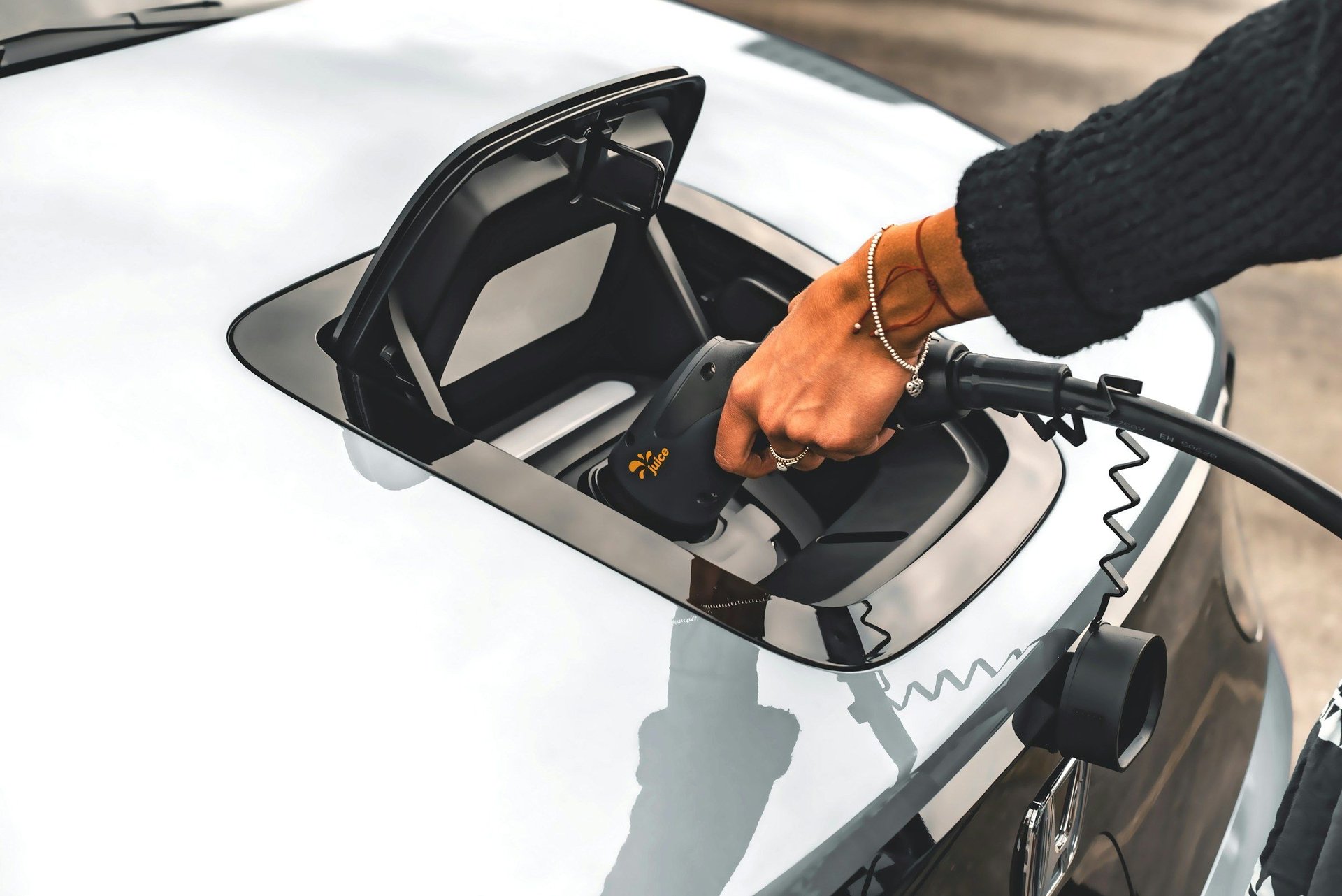
Without an engine, the battery becomes the heart of your EV. This central part requires inspections to optimize range and efficiency. It could last up to 15 years, depending on how well you treat it. Check your system to replace individual cells and mitigate degradation. Alternatively, an intelligent management system could monitor performance.
3 / 5
3. Noticing subtle suspension changes
Ruben Ruas | Unsplash
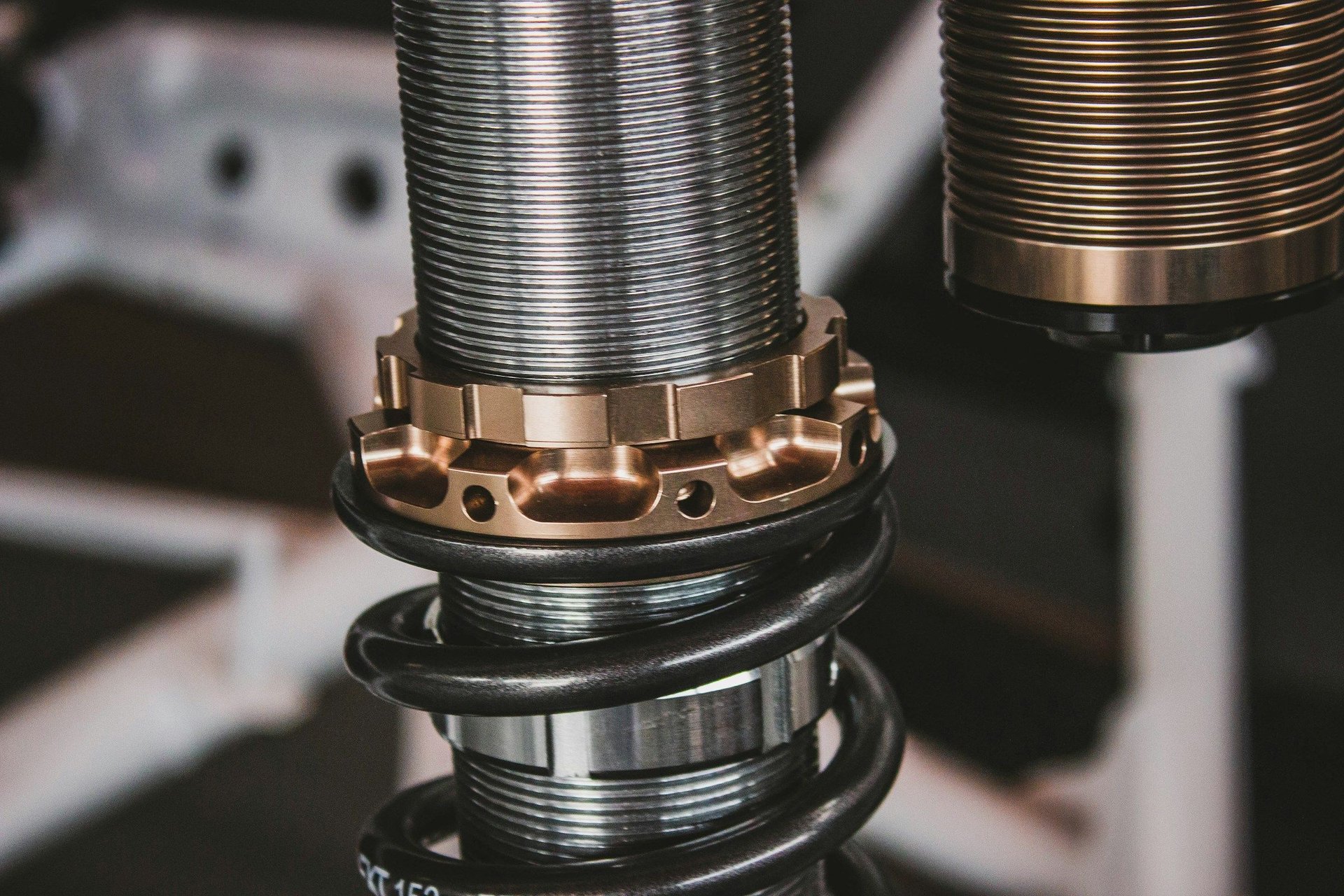
The suspension doesn’t change much from an IC vehicle to a battery-powered car. However, there are some subtleties you should know before working on the undercarriage. For example, your EV may have a heavy pack low in the chassis, changing its center of gravity. Regardless, use the 50,000-mile mark to watch for inconsistencies and wear and tear.
4 / 5
4. Relying less on fluids
.jpg)
Tim Mossholder | Unsplash
Owning a gas-powered car means changing your oil every 7,500 miles or whatever your automaker recommends. However, EVs make the job easier because there are fewer fluids to maintain over their lifespan. Coolant is still used to regulate battery and motor temperature, but it likely won’t have transmission or exhaust system fluids, reducing maintenance.
5 / 5
5. Downloading software updates
Priscilla Du Preez | Unsplash
Gas and battery-operated vehicles need software updates to renew essential systems, but EVs rely on them even more. These cars need over-the-air updates to improve motor health, optimize regenerative braking and fix charging issues. Wireless transmission means you might not have to visit the mechanic to service your vehicle.