
Prediction markets are all the rage. Now Congress wants to rein them in
Lawmakers are showing fresh interest in guardrails for prediction markets like Polymarket and Kalshi following bets made on the Iran war
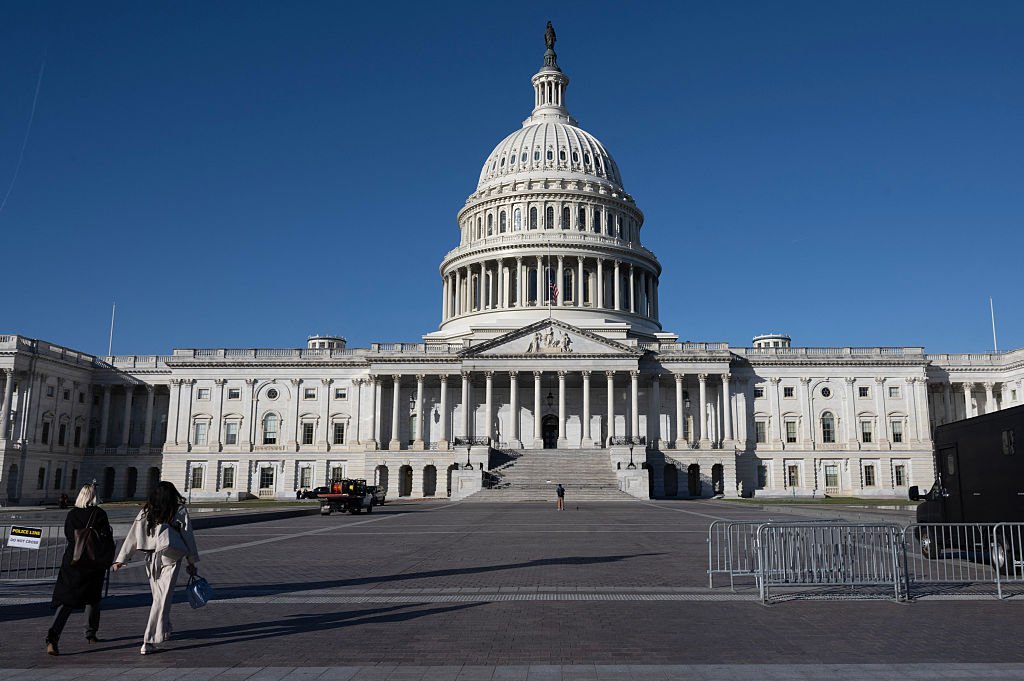
ANDREW CABALLERO-REYNOLDS/AFP via Getty Images
The prediction markets craze has reached Congress. Among lawmakers in both parties, there is fresh interest in applying new guardrails on a nascent industry where wagers can be placed on the outcome of virtually any event, including regime change overseas.
Cracking down on prediction markets climbed on the list of priorities on Capitol Hill following the start of the U.S.-Israeli war with Iran that led to multiple instances of possible insider trading on Kalshi and Polymarket, two of the most popular platforms. It drove criticism among Democrats in particular, who argued that new regulations were necessary to prevent wartime profiteering using classified information. Democratic Sen. Chris Murphy of Connecticut called it "dystopian."
Since January, more than ten bills have been introduced for new restrictions on prediction markets. Six were unveiled in March alone.
Among the batch of bills was a bipartisan measure from Sens. Adam Schiff of California and John Curtis of Utah that would bar entities registered with the Commodity Futures Trading Commission from listing prediction contracts that resembled sports-betting or a casino.
“Our bipartisan legislation clarifies regulatory jurisdiction, ensuring that states can maintain their authority over sports betting and casino gaming," Curtis said in a statement. He added the legislation was about "respecting states’ authority, protecting families, and keeping speculative financial products out of spaces where they don’t belong.”
Others are eyeing even broader action against prediction market platforms. Murphy unveiled a separate bill in mid-March that would ban wagers on government actions, terrorism, war, assassination, and other events where an individual could decide the outcome.
"When events that involve good and evil, life and death become just another financial product, morality no longer matters and the soul of America is fundamentally corrupted," Murphy said.
Kalshi and Polymarket are pushing back
Kalshi and Polymarket are both caught up in an existential fight over the nature of their business. Both are regulated like financial exchanges and operate in all 50 states. The CFTC has jurisdiction in regulating traditional gambling operations and restricts wagers that could encourage violence.
Both firms are waging legal battles against state and tribal officials who argue they should be subject to gambling regulations similar to casinos, such as paying taxes.
Recently, Kalshi and Polymarket stepped up their outreach efforts in Washington. Kalshi rolled out an ad campaign on Tuesday that includes advertisements at bus stops and wallscapes emphasizing its differences with Polymarket.
"There's been some confusion and conflation between us and our competitor, so we're calling those distinctions out," Elisabeth Diana, a Kalshi spokesperson, told Quartz.
On Thursday, Kalshi announced it was adding Stephanie Cutter, a former campaign manager for President Barack Obama, to its policy team in an effort to deepen bipartisan relationships.
Under the Biden administration, Polymarket was barred from operating in the U.S, though many American users accessed the platform using a virtual private network. That changed during the second Trump administration, which dialed back regulations on Polymarket and Kalshi.
For its part, Polymarket opened a three-day pop-up bar that generated a lot of buzz in Washington, D.C. last month. The platform also updated its terms of service, which clarified restrictions on trading using government secrets and illegal tips.