
6 solar-powered innovations reshaping sustainable infrastructure
Six developing technologies could relieve electric grid demand with more solar power access in the coming years
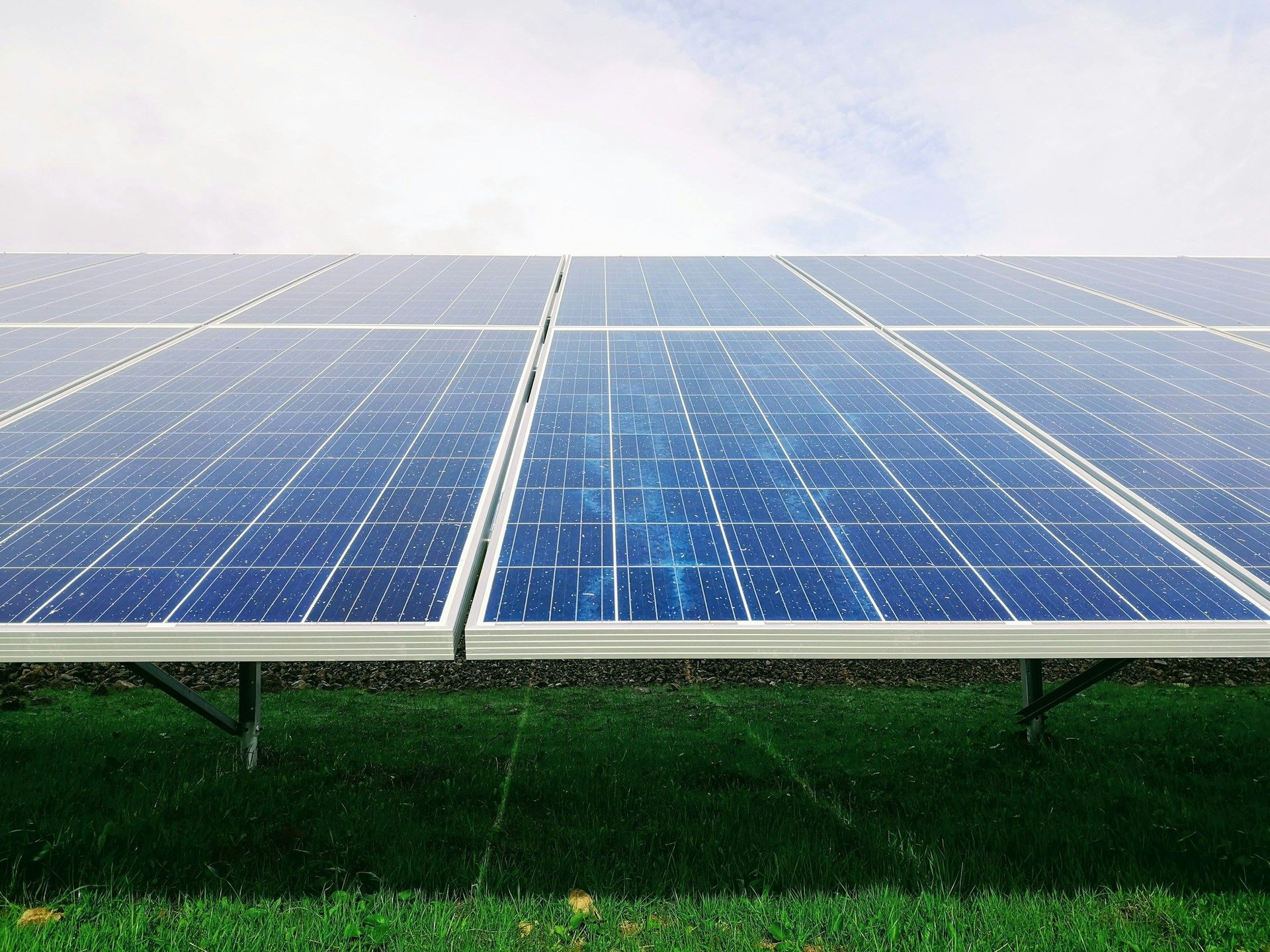
Mariana Proença | Unsplash
A greener future requires better power infrastructure. Generating it through traditional fossil fuel plants creates excessive carbon dioxide (CO2) emissions, but the modern world isn’t going back to life without electric hookups. Meeting that need with eco-friendly energy innovations is essential.
There’s also a time-sensitive need for green power. The U.S. Department of Energy estimates the nation will experience 800 annual hours without electricity by 2030 if infrastructure improvements don’t happen. The current grid deals with high demand and uses outdated hardware. As artificial intelligence (AI) data centers continue to draw more local energy and the population grows, sustainable electricity could ease the grid’s strain.
Progress has already begun. California has 50% more electric vehicle (EV) charging stations than gas stations, and nationwide residential properties are installing solar panels to mitigate their electric bills. Tax credits incentivize businesses to switch their commercial properties to green energy. Ensuring people can affordably access solar products and tax discounts for starting sustainable lives makes change less intimidating.
Unfortunately, every new panel and charging station connects to and puts more pressure on the grid. The infrastructure still needs support while generating power for high-demand properties like data centers — which use 21% of global energy production — over the next five years. The world needs eco-friendly options.
Revamping solar technologies with creative solutions could be the nation’s path to a greener future. Research teams are exploring new ways to use existing tech for that purpose. Learning about which innovations will be widely available soon could help you decide which tools to add to your daily life.
1 / 6
1. Solar panels with perovskite

Andres Siimon | Unsplash
The most common solar panels use silicon to capture sunlight and make electricity. While it’s an effective way to power structures, the technology could improve with a 2024 discovery. Researchers combined perovskite solar cells with standard silicon models to improve charging and electricity transportation. If this becomes the panel manufacturing standard, people could get their energy more efficiently.
2 / 6
2. AI solar farms

Markus Spiske | Unsplash
Companies are integrating AI into many products and services. The technology can translate dense information for quality-of-life enhancements, such as arranging trips, but it could also start supporting solar farm construction. Property owners are adding AI to their solar software to optimize through adaptive monitoring. The panels could adjust production to real-time updates with data-driven recommendations.
3 / 6
3. Flexible light-absorbing materials

Newpowa | Unsplash
A research team from the Oxford University Physics Department announced in 2024 that they had created a thin and flexible way to generate solar electricity. Their invention is an ultra-thin perovskite device that delivers over 27% energy efficiency, which matches silicon photovoltaic capabilities. The technology could soon appear on clothes, bags, and other fabric-based objects, and they wouldn’t have to draw power from grid infrastructure either, reducing local demand.
4 / 6
4. Dual-sided solar panels

Biel Morro | Unsplash
Scientists and engineers understand that the sun is humanity’s best sustainable energy source. The massive star generates more terawatts of power than options like wind, geothermal, and nuclear plants. Dual-sided solar panels could harness more electricity in the same amount of space. Bifacial designs capture sunshine from above and below when installed over reflective surfaces. They could become part of public-use spaces to create more sustainable power for nearby communities.
5 / 6
5. Floating solar farms

American Public Power Association | Unsplash
Hydropower reservoirs generate electricity with water, but they could double as solar farms. All they need is floatovoltaic technology. Researchers theorize that if 10% of hydropower locations had floating solar panels, they could produce the equivalent power to today’s fossil fuel plants.
The water-based floatovoltaic tools already exist. Hydropower enterprises only have to install them to maximize sustainable energy production and reshape green infrastructure.
6 / 6
6. Transparent window-like technology

Adeolu Eletu | Unsplash
You know what solar panels look like — they cover rooftops with grid-like designs. Installing them as windows might seem silly, but the technology is becoming more available. Transparent electricity-generating technologies already power office buildings in Europe. Property owners who don’t enjoy the look of traditional panels on rooftops might join the solar movement with this glass-like alternative.