
The Trump administration wants to open 401(k)s to crypto and private assets
The Labor Department plan would shield employers from lawsuits, but legal experts say widespread adoption could take years
Brendan Smialowski / AFP via Getty Images
The Labor Department proposed a rule Monday that would make it easier for 401(k) plans to include alternative assets such as cryptocurrency, private equity, private credit, and real estate, potentially affecting more than 90 million Americans.
The proposal, issued by the department's Employee Benefits Security Administration, creates a safe harbor that could help shield plan sponsors from litigation when they add alternative investments to their lineups. It identifies six factors that fiduciaries must "objectively, thoroughly, and analytically consider" before selecting such investments: performance, fees, liquidity, valuation, performance benchmarks, and complexity. The department said it hopes to finalize the rule by the end of the year.
Related Content
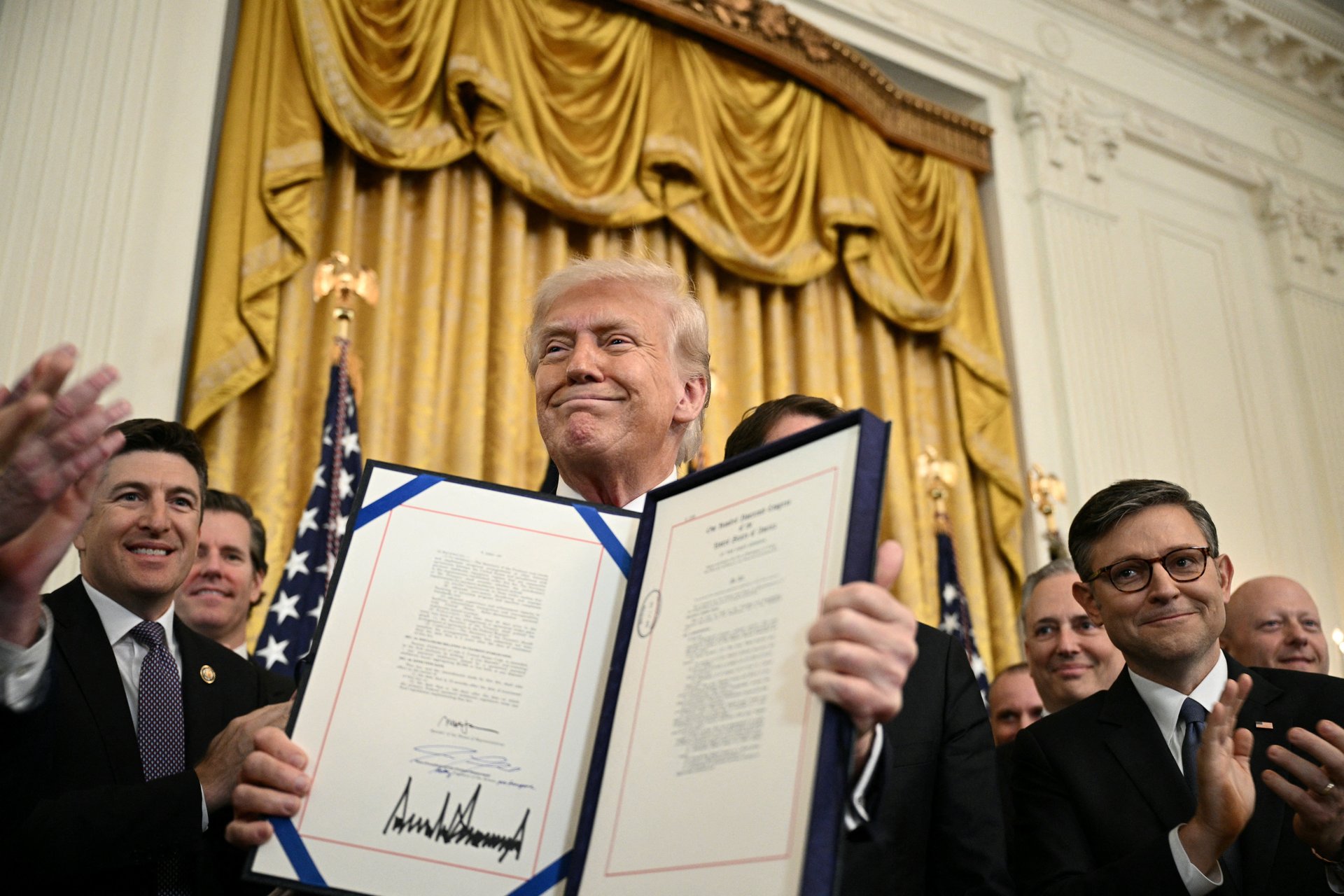
The proposal stems from an executive order signed by President Donald Trump directing the Labor Department and the Securities and Exchange Commission to facilitate expanded access to alternative assets in 401(k)s. "This proposed rule will show how plans can consider products that better reflect the investment landscape as it exists today," Labor Secretary Lori Chavez-DeRemer said in a statement.
The rule is open for public comment for 60 days before it can be finalized.
Legal experts cautioned that the rule's practical impact may be limited and slow to materialize. "We remain skeptical that this will encourage fiduciaries to include alternatives in 401(k) plans until the courts have concurred that this language protects advisors from litigation," Jaret Seiberg, a financial services and housing policy analyst at TD Cowen, wrote in a research note, according to CNBC. "That means it could be several years before we see the real impact from this proposal."
Erin Cho, a partner at law firm Mayer Brown, told CNBC that the rule does not change how alternative assets can be included in 401(k) options. Investors would still only be able to obtain limited exposure through vehicles such as target-date funds, she said. "Under this proposed rule, plan participants are not going to wake up one day and find a bunch of standalone private equity funds, private credit funds, crypto funds on the menu of their 401(k) plan," Cho said.
Additional hurdles remain, according to CNBC. Accreditation requirements for standalone private funds, nondiscrimination rules governing 401(k) plans, and the relative illiquidity of alternative assets would all need to be resolved — potentially requiring action from the SEC or Congress.
The Trump administration framed the rule as a corrective to Biden-era guidance. In 2022, the Biden administration warned employers to exercise "extreme care" before making cryptocurrency available in retirement plans, citing concerns about fraud, theft, and loss. The Trump administration rescinded that guidance last year.
While most 401(k) plans have historically excluded alternatives, according to Bloomberg, up to 99% of U.S. state and local government pension plans held some amount of alternative investments in 2022. Only 4% of defined contribution plans offered alternatives in 2024, the Labor Department said. The new rule is intended to close that gap.
The proposal has drawn praise from Wall Street firms and industry groups, including BlackRock $BLK, the Managed Funds Association, and the Defined Contribution Alternatives Association. Consumer advocates have pushed back. "Opening 401(k)s to these products risks turning workers' retirement savings into a Ponzi-like scheme that throws a lifeline to an industry scrambling for fresh cash," Oscar Valdés Viera of Americans for Financial Reform said in a statement.