
The 5 states with the best economies in America right now — and the 5 worst
WalletHub set out to find the states that are thriving, and the ones that are lagging behind their neighbors economically
The economic landscape across the United States is a complex tapestry, woven with diverse threads of prosperity and challenge. Each state presents a unique economic profile shaped by a variety of factors, including job growth, income levels, business development, and overall financial stability. These elements collectively determine the economic health of U.S. states, leading to a wide spectrum of economic conditions from thriving to struggling.
Some states boast robust economies characterized by low unemployment rates, high wages, and expanding industries. These states often attract new businesses and investments, fostering an environment conducive to economic growth and innovation. For example, states like California and Texas are frequently highlighted for their dynamic economies driven by technology, energy, and agriculture sectors. In contrast, other states face significant hurdles such as high unemployment, stagnant wages, and declining industries, which can stifle economic progress and limit opportunities for residents. States like West Virginia and Mississippi often encounter such challenges, highlighting the need for targeted economic development strategies.
To better understand these disparities, WalletHub conducted a comprehensive analysis to identify the states with the most and least successful economies. This study evaluated states based on three primary metrics: economic activity, economic health, and investment potential. By examining indicators such as unemployment rates, changes in GDP, exports per capita, and poverty levels, WalletHub aimed to provide a clear picture of each state's economic standing.
According to WalletHub analyst Chip Lupo, “A strong state economy doesn’t guarantee success for the state’s residents, but it certainly makes financial success more attainable." This statement underscores the importance of a healthy state economy in creating opportunities for individuals and businesses alike. States with flourishing economies often support growth by fostering a business-friendly environment and investing in new technologies. These investments not only address current economic challenges but also prepare states to navigate future obstacles more effectively.
Understanding the factors that contribute to the economic health of U.S. states is crucial for policymakers, business leaders, and residents. Key contributors include the availability of a skilled workforce, the presence of diverse industries, and the level of infrastructure development. States that prioritize education and workforce training tend to attract high-quality jobs and industries, which in turn boost economic performance. Additionally, states with well-developed infrastructure, such as transportation networks and digital connectivity, are better positioned to support business operations and attract investment.
State economies are ranked based on a combination of these factors, with rankings providing insights into which states are currently thriving and which are facing economic difficulties. States with thriving economies often exhibit strong job markets, high levels of innovation, and a favorable business climate. For instance, California's Silicon Valley is a hub of technological innovation, while Texas benefits from a strong energy sector.
Conversely, states struggling economically may face challenges such as declining industries, limited access to capital, and insufficient infrastructure. These issues can lead to higher unemployment rates and lower income levels, creating a cycle of economic stagnation that is difficult to break. For example, West Virginia's reliance on coal mining has faced challenges due to shifts in energy production and environmental regulations, leading to economic difficulties.
Common challenges affecting state economies in the U.S. include economic inequality, shifts in global trade patterns, and changes in consumer behavior. Economic inequality can exacerbate disparities in economic health, as regions with concentrated wealth may experience growth while others lag behind. Global trade dynamics can impact states differently, depending on their reliance on exports and the industries present within their borders. Additionally, changes in consumer behavior, such as the shift towards e-commerce, can disrupt traditional retail sectors and require states to adapt to new economic realities.
Addressing these challenges requires a multifaceted approach that includes policy interventions, investment in education and infrastructure, and support for innovation and entrepreneurship. By fostering an environment that encourages business growth and development, states can enhance their economic resilience and improve the quality of life for their residents. For instance, investing in renewable energy sources can create new jobs and reduce reliance on declining industries.
In conclusion, the economic health of U.S. states is a complex and dynamic issue influenced by a myriad of factors. While some states are thriving with strong economies, others face significant challenges that require strategic interventions. Understanding these dynamics is essential for crafting policies that promote sustainable economic growth and prosperity across the nation. As states continue to navigate the evolving economic landscape, the lessons learned from both successful and struggling economies will be invaluable in shaping a more equitable and prosperous future for all.
Continue reading to see which states have the best — and the worst — economies.
2 / 11
5th Worst: South Dakota

While South Dakota scored high marks for economic health, it suffered from poor rankings for economic activity and innovation potential.
3 / 11
4th Worst: North Dakota

Like its neighbor to the south, North Dakota was dinged for low economic activity and meager innovation potential.
4 / 11
3rd Worst: Hawaii

Hawaii may be a tourist hotspot, but it still scored low marks for economic activity and innovation potential.
5 / 11
2nd Worst: West Virginia

West Virginia suffers from poor economic health and the lowest innovation potential, landing it the second to worst spot.
6 / 11
Worst: Iowa
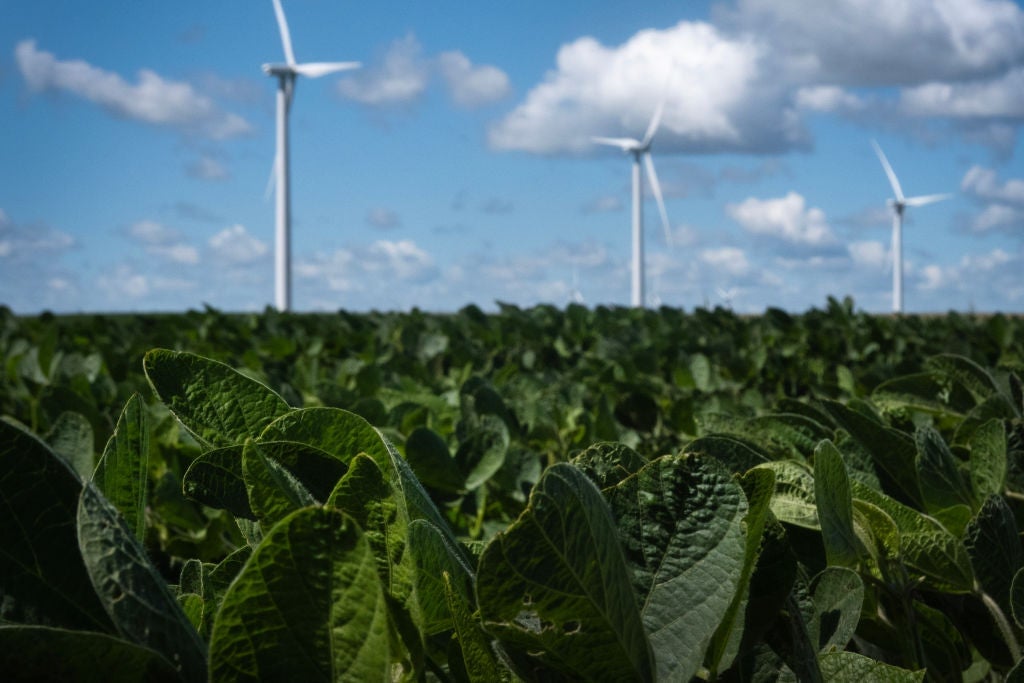
Iowa came in last, with the lowest score for economic activity and a low score for economic health, too.
7 / 11
5th Best: New Hampshire
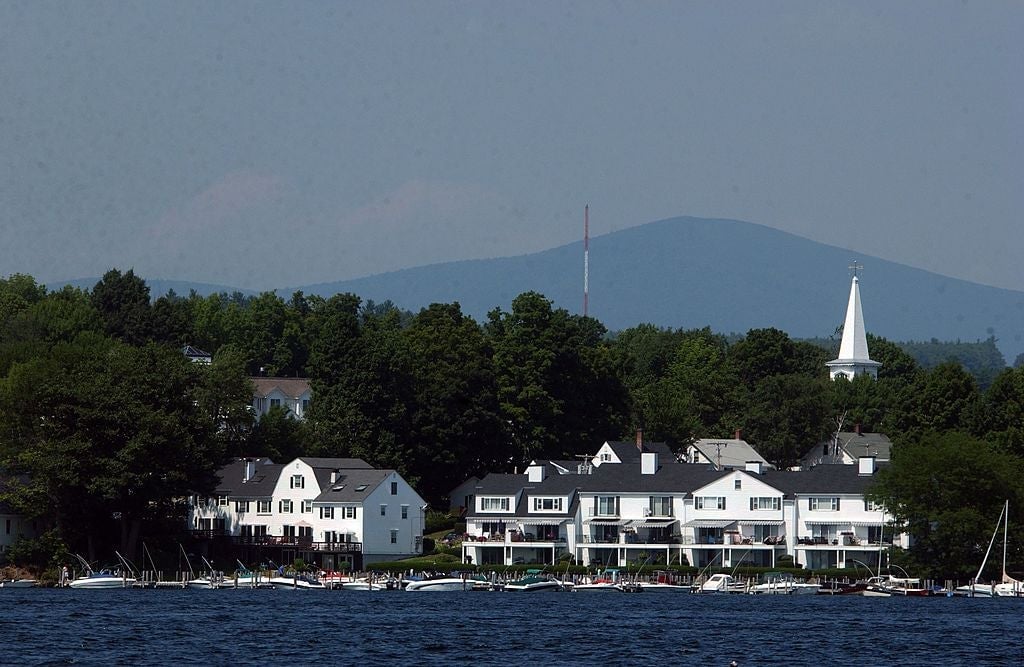
New Hampshire took fifth thanks to solid scores across all categories.
8 / 11
4th Best: California

Despite coming in 47th place for economic health, California still managed to get the 4th spot since it scored second-highest for economic activity and third-highest for innovation potential.
9 / 11
3rd Best: Washington

Washington state came in second for innovation potential and third for economic activity, helping it secure the 3rd spot.
10 / 11
2nd Best: Utah

Utah ranked second thanks to its first-place ranking in economic activity, with solid scores in the other two categories.
11 / 11
Best: Massachusetts

Massachusetts claimed the top spot with the highest innovation potential and strong showings in WalletHub’s other two categories.