
The 10 states where homeownership will most be out of reach in 5 years
These 10 states are projected to have the largest gaps between income and homeowners in five years
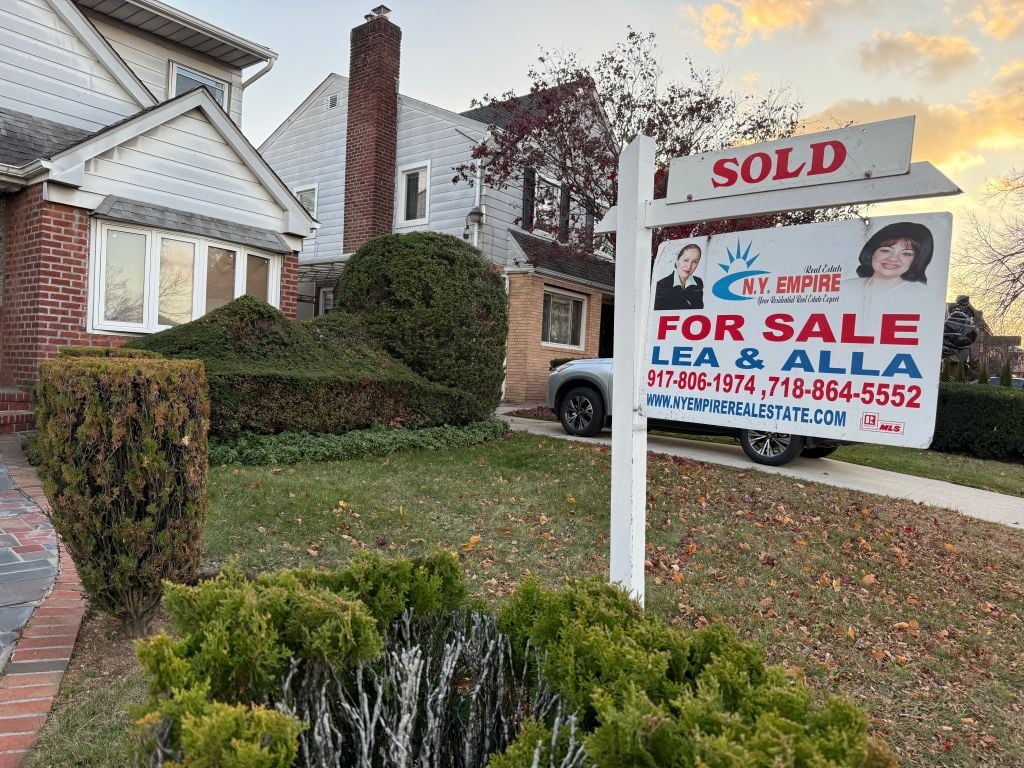
UCG / Getty Images
Owning a home is a deeply held aspiration for many Americans, with over 85% of renters expressing a desire to eventually purchase a home. However, the journey to homeownership is not consistent across the United States, as some states present more formidable challenges than others. A recent analysis by HireAHelper, a platform that connects individuals with moving services, sheds light on which states may see homeownership becoming increasingly difficult by 2030.
HireAHelper's study conducted an in-depth five-year projection, examining anticipated trends in home prices and household incomes across various states. By comparing the projected median home price in 2030 with the estimated minimum household income required to afford such a home, the study identified states likely to experience the most significant disparity between income levels and housing costs.
Currently, the median home price in the United States hovers around $431,000. However, projections indicate a notable increase, with the median price expected to reach $615,103 by 2030. For a buyer making a 20% down payment, this would translate to an upfront cost of $123,020, along with annual property expenses of $37,323. These figures underscore the growing financial burden potential homeowners may face in the coming years.
The study's findings highlight the states where this financial strain is expected to be most pronounced. These states are projected to have the largest gaps between household incomes and home prices, making homeownership a challenging prospect for many residents.
Several factors influence the future affordability of homeownership in different states. Economic conditions, such as job growth and wage increases, play a crucial role in determining whether residents can keep pace with rising housing costs. Additionally, demographic shifts, including population growth and migration patterns, can affect housing demand and, consequently, home prices.
Housing affordability projections vary widely across the United States, reflecting the diverse economic landscapes and housing markets in different regions. For instance, states with robust economic growth and high housing demand may see more significant increases in home prices, exacerbating the gap between income and affordability. Conversely, states with slower economic growth or declining populations may experience more stable housing markets, potentially easing the path to homeownership.
Among the states expected to face the largest income-to-home price gaps are those experiencing rapid population growth and urbanization. These states often see a surge in housing demand, driving up prices at a rate that outpaces income growth. As a result, residents may find it increasingly difficult to afford homes, even as their incomes rise.
Future real estate market trends also play a pivotal role in shaping home prices across the country. Factors such as interest rates, housing supply, and government policies can significantly impact home affordability. For example, rising interest rates can increase borrowing costs, making mortgages more expensive and potentially deterring prospective buyers. Similarly, a limited supply of available homes can drive up prices, further widening the gap between income and affordability.
Interest rates are particularly influential; when they rise, the cost of borrowing increases, which can deter potential buyers and slow down the housing market. Conversely, lower interest rates can make mortgages more affordable, potentially boosting demand and driving up prices if the supply does not keep pace.
The supply of housing is another critical factor. In areas where new construction cannot keep up with demand, prices tend to rise. This is often seen in urban areas experiencing rapid growth, where land is limited, and construction costs are high. Government policies, such as zoning laws and tax incentives, can also impact the housing supply and affordability. Policies that encourage development and increase housing stock can help mitigate price increases, while restrictive policies can exacerbate shortages and drive up costs.
In conclusion, while the dream of homeownership remains a powerful motivator for many Americans, the path to achieving it is fraught with challenges that vary by state. Understanding the factors that influence housing affordability and staying informed about future market trends can help prospective homeowners navigate these challenges and make informed decisions about their housing options. As the landscape of the real estate market continues to evolve, it is crucial for individuals to remain vigilant and adaptable in their pursuit of homeownership. By considering economic conditions, demographic trends, and market dynamics, potential buyers can better prepare for the future and increase their chances of achieving the dream of owning a home.
1 / 10
#10: Washington
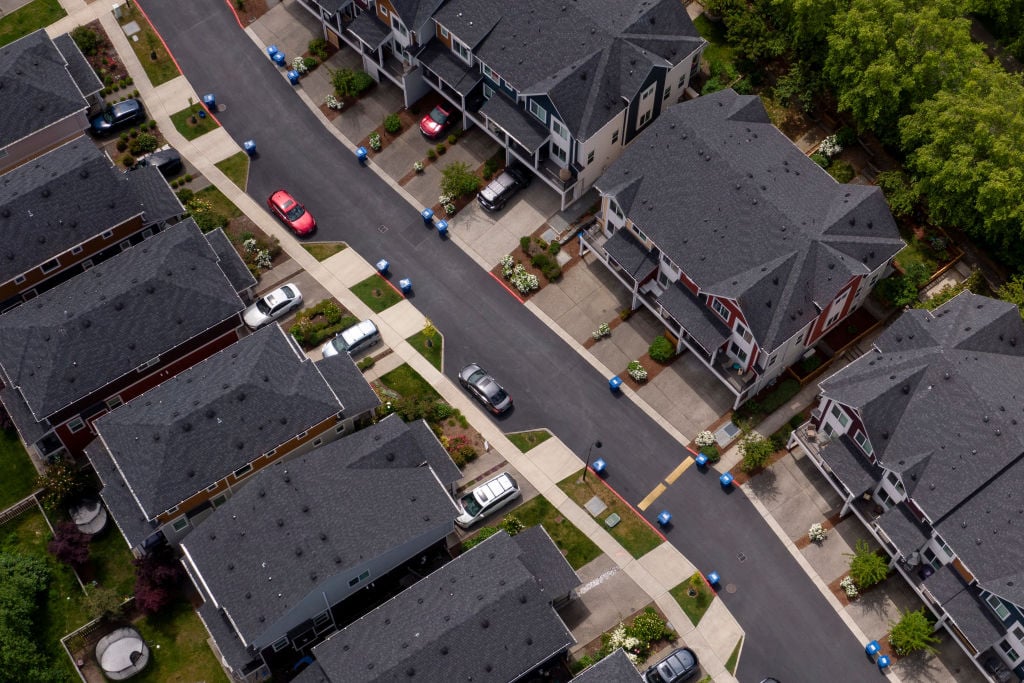
Bloomberg / Getty Images
Washington has the tenth largest affordability gap, with wages needing to rise 78.8% by 2030 to keep up with home prices.
2 / 10
#9: Wyoming
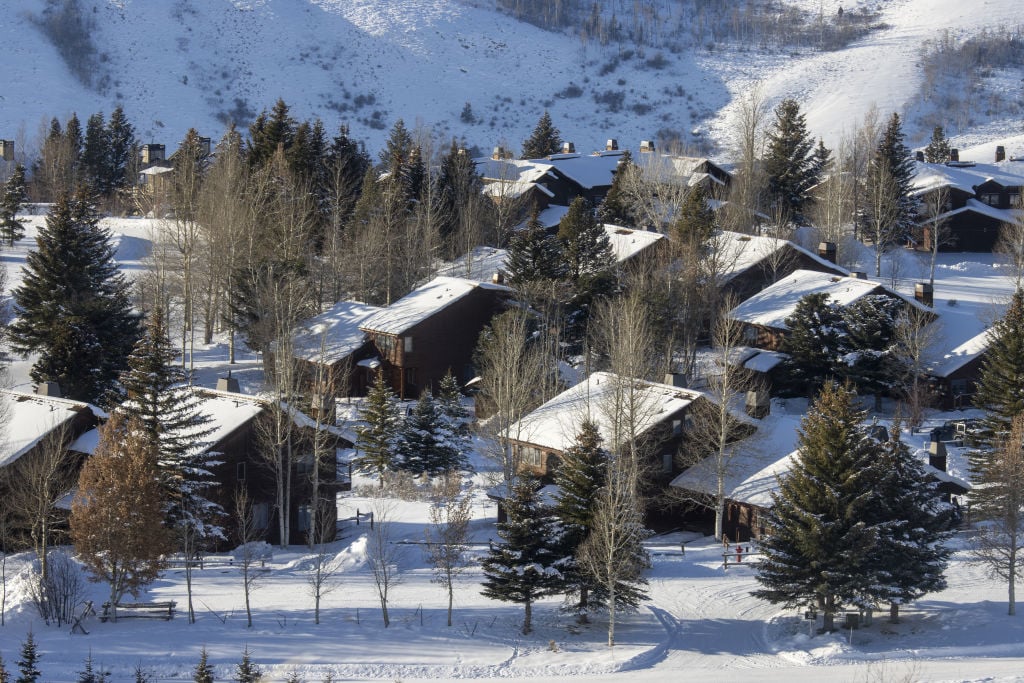
Bloomberg / Getty Images
Wyoming has the ninth largest affordability gap, with wages needing to rise 81.4% by 2030 to keep up with home prices.
3 / 10
#8: Idaho
.jpg)
Bloomberg / Getty Images
Idaho has the eighth largest affordability gap, with wages needing to rise 82.1% by 2030 to keep up with home prices.
4 / 10
#7: Utah
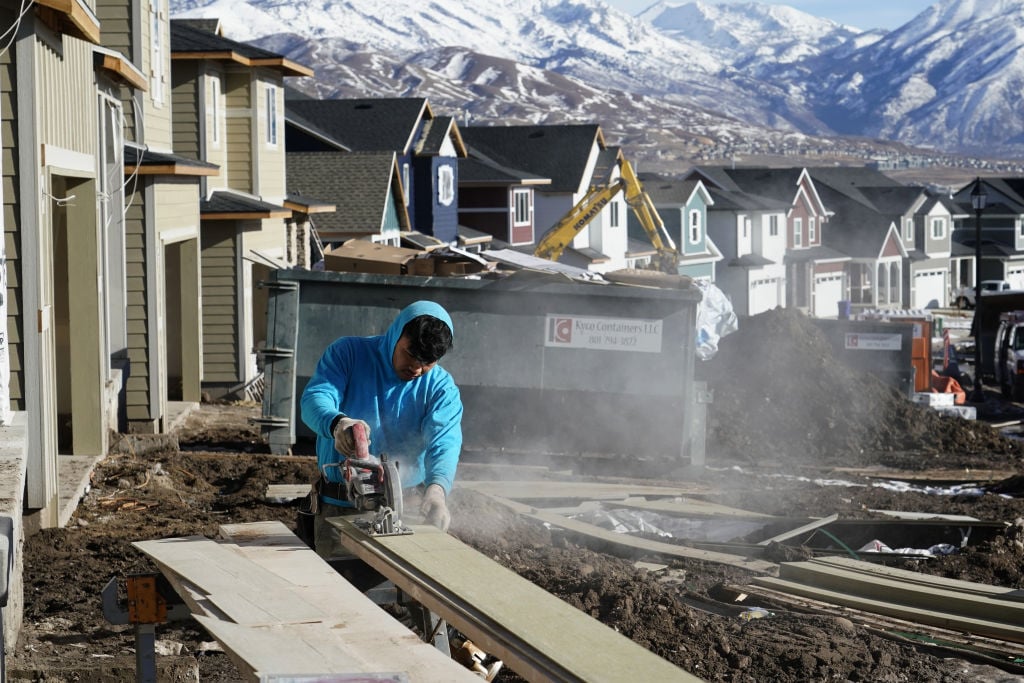
Bloomberg / Getty Images
Utah has the seventh largest affordability gap, with wages needing to rise 82.4% by 2030 to keep up with home prices.
5 / 10
#6: New Hampshire

Education Images / Getty Images
New Hampshire has the sixth largest affordability gap, with wages needing to rise 82.5% by 2030 to keep up with home prices.
6 / 10
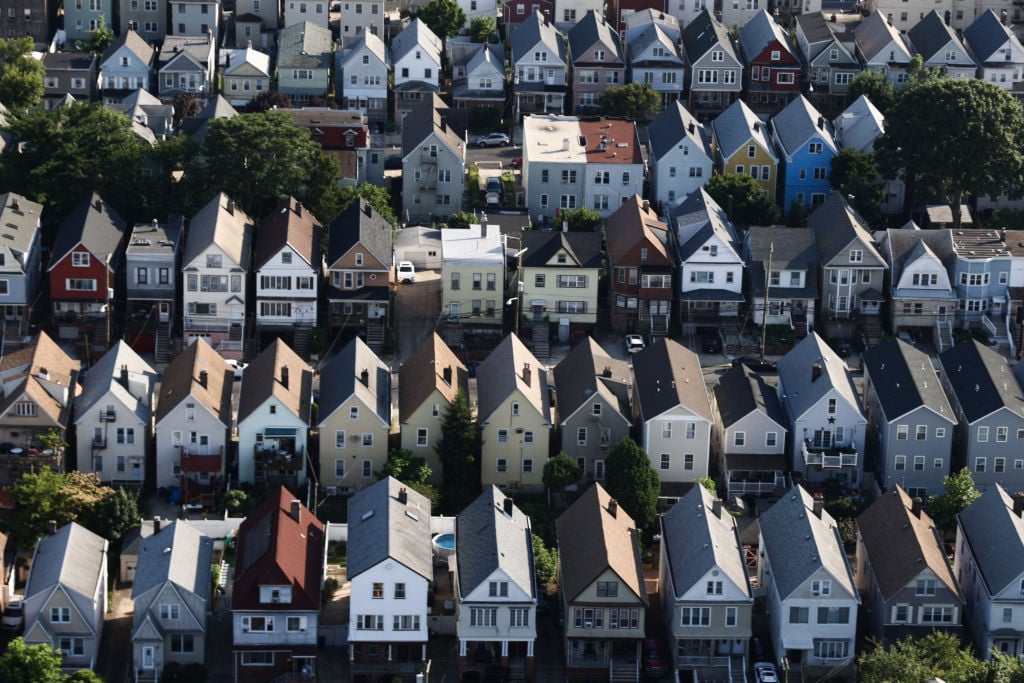
#5: New Jersey
NurPhoto / Getty Images
New Jersey has the fifth largest affordability gap, with wages needing to rise 94.6% by 2030 to keep up with home prices.
7 / 10
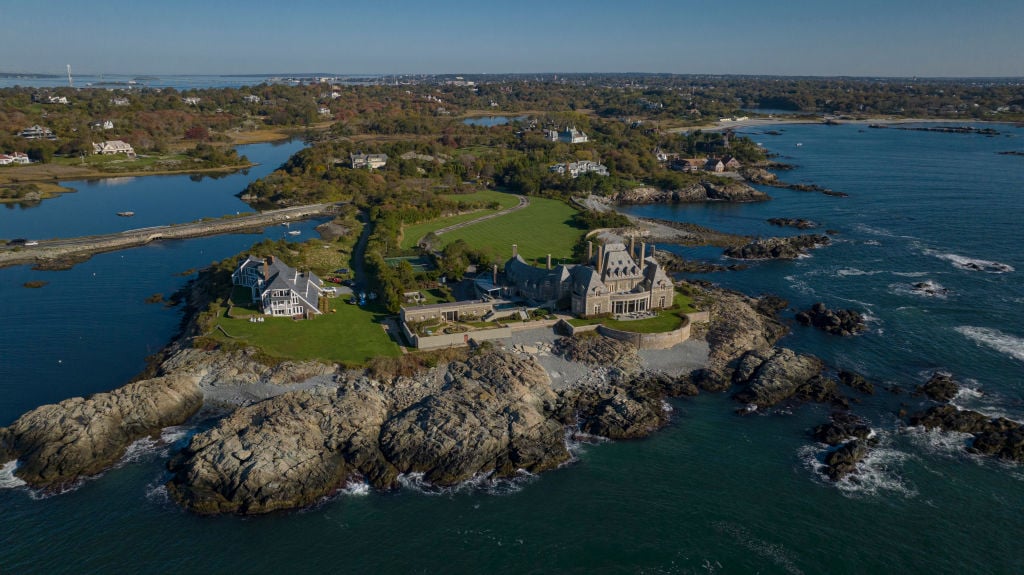
#4: Rhode Island
Joe Sohm/Visions of America / Getty Images
Rhode Island has the fourth largest affordability gap, with wages needing to rise 99.5% by 2030 to keep up with home prices.
8 / 10
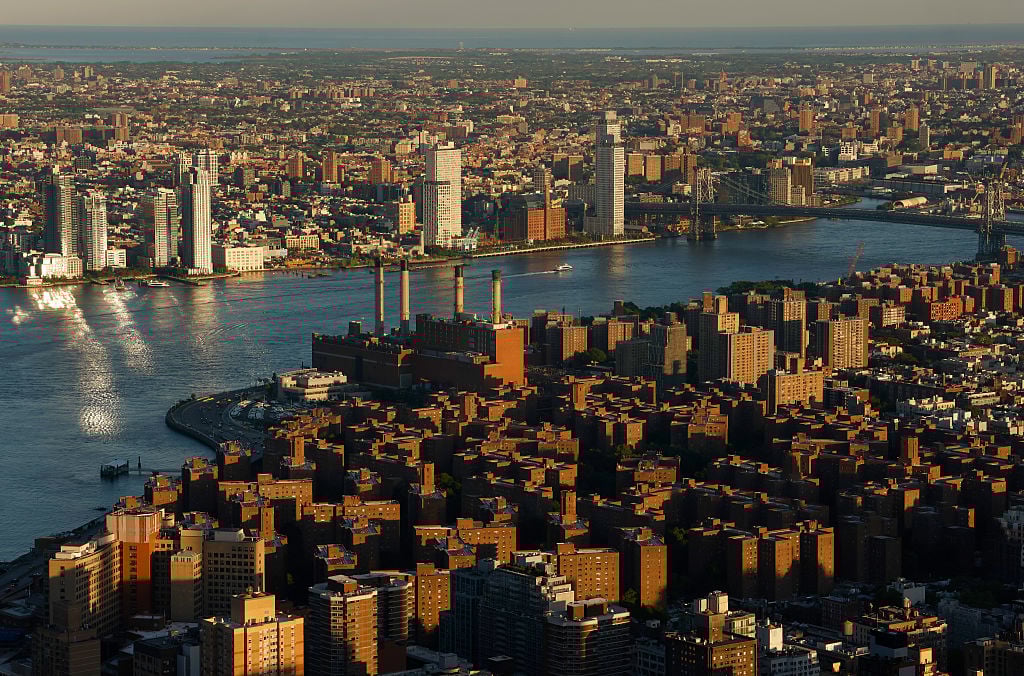
#3: New York
Gary Hershorn / Getty Images
New York has the third largest affordability gap, with wages needing to rise 102.8% by 2030 to keep up with home prices.
9 / 10
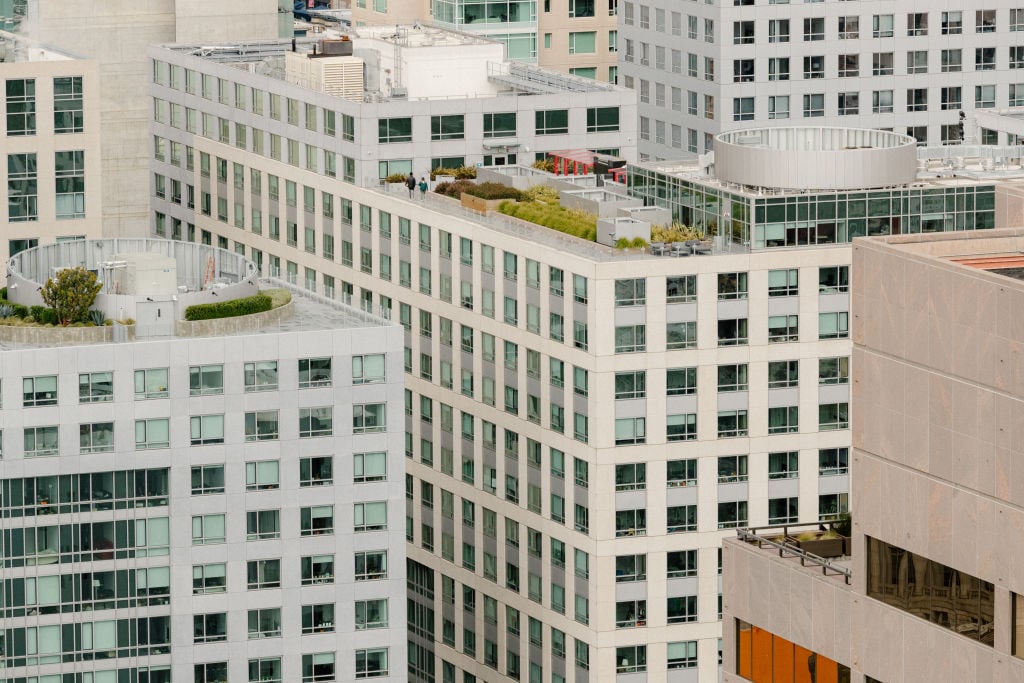
#2: California
Bloomberg / Getty Images
California has the second largest affordability gap, with wages needing to rise 139.8% by 2030 to keep up with home prices.
10 / 10
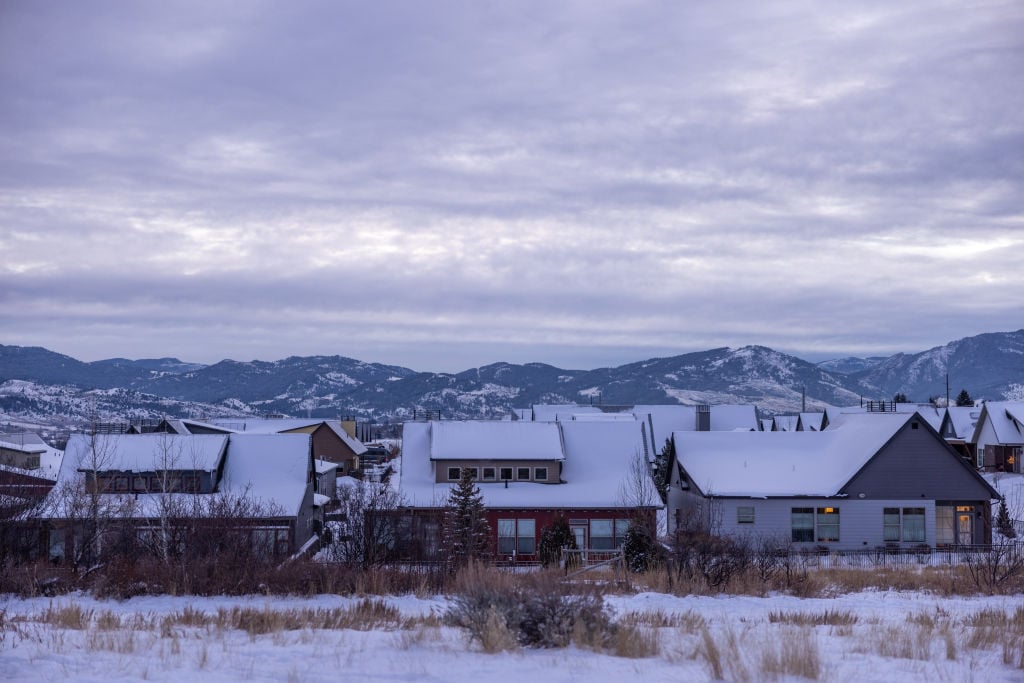
#1: Montana
Bloomberg / Getty Images
Montana has the largest affordability gap, with wages needing to rise 144.1% by 2030 to keep up with home prices.