
What are tariffs?
Learn about global tariffs and why they matter. Discover how tariffs affect consumers, companies, and the global economy
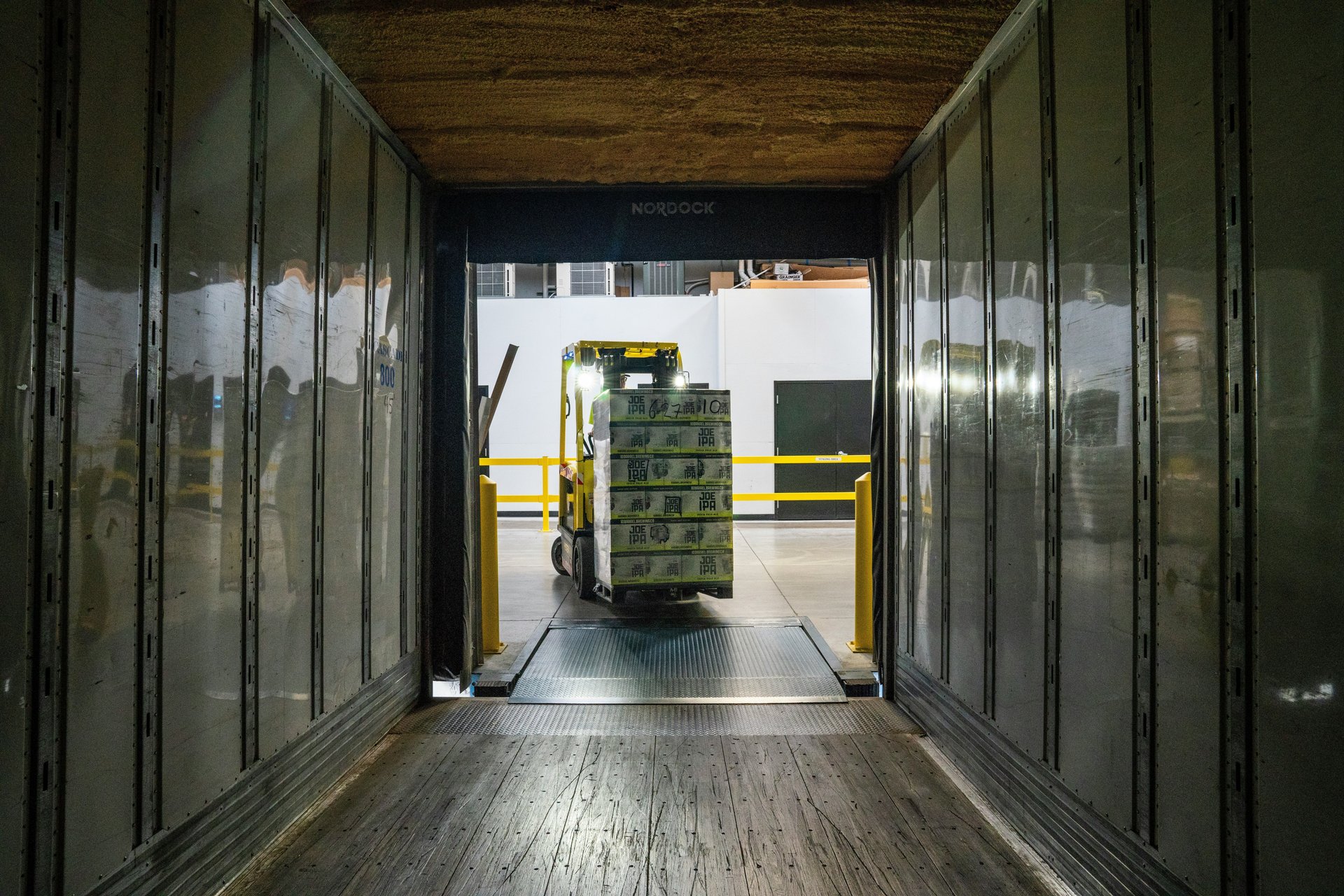
Elevate/Unsplash
A tariff is a tax that one country imposes on goods imported from another country. For example, the U.S. charges tariffs on steel imported from the United Kingdom. When an American construction company imports this steel, it has to pay the tariff at the port of entry.
Importers account for tariffs in their pricing strategies. When costs rise, consumers may start buying domestic goods instead of imported ones, which can ultimately impact the balance of trade.
Related Content
Types of tariffs and how they work
A government might choose a specific tariff type based on the balance it wants to achieve between revenue generation and protecting domestic industries from foreign competition. With that in mind, there are three main types of tariffs:
- Ad valorem tariff. An ad valorem tariff is a tax calculated as a percentage of the value of the imported item. For example, if there's an ad valorem tariff of 10% on a vehicle valued at $30,000, the tax would be $3,000.
- Specific tariff. Specific tariffs are taxed based on the quantity of goods imported. One example is charging a tariff of 50 cents on every piece of imported jewelry. The tax on a shipment of 2,000 bracelets would be $1,000.
- Tariff-rate quota. Tariff-rate quotas apply a lower tariff rate up to a certain quantity but increase significantly once imports exceed that limit. For example, a country might set the tariff to 0% for the first 2,000 pounds of imported butter and 25% for any amount over 2,000 pounds.
How tariffs are applied
Tariffs are applied by a country's government, but their impact extends throughout the entire supply chain. Here's what happens when a tariff goes into effect:
- Importers pay the tariff to the national customs agency, increasing their costs.
- To offset these higher expenses, importers raise their prices.
- Ultimately, consumers face higher prices as the increased costs are passed down the chain.
Why governments use tariffs
Governments use tariffs to achieve several policy goals:
- Protect domestic industries. Tariffs increase the cost of imported goods, encouraging consumers to buy from domestic companies instead of foreign ones. This strategy is particularly beneficial for new industries that require time to mature before facing foreign competition.
- Generate revenue. Importers pay tariffs directly to a government customs agency. This makes them a viable means of generating revenue to fund defense spending, education, and other services.
- Retaliate in trade disputes. Governments sometimes use tariffs as a response to unfair trade practices or violations by other countries. By making imports more expensive, tariffs encourage consumers to shift their purchases, helping to balance trade flows.
- Address national security. In some cases, governments use tariffs to discourage consumers from buying goods from countries that pose security risks. Under Section 232 of the Trade Expansion Act of 1962, the U.S. government can impose tariffs when imports are found to threaten national security. Tariffs also incentivize domestic companies to produce semiconductors, weapons, and related items, ensuring a reliable supply during conflicts.

Testing caption
Who tariffs impact
Although the government imposes tariffs, the effects are far-reaching. Here's how they affect five important groups:
- Importers. Tariffs result in increased costs for importers, which may affect their revenue and profit margins. Importers may need to find alternative sources for raw materials and product components to reduce the tariff's financial impact.
- Exporters. When a tariff goes into effect, exporters may experience reduced demand for their products, especially if they are luxuries rather than necessities. An exporter's production costs may also increase, which can affect their bottom line.
- Consumers. Importers typically pass the cost of tariffs to the consumer, increasing the price of imported goods. When prices increase, consumers have less purchasing power, so they may need to seek lower-cost alternatives or adjust their buying habits.
- Domestic producers. Tariffs may benefit domestic producers by incentivizing consumers to buy from them instead of relying on imported goods. Increased demand for domestic goods may lead to job growth or other positive developments. However, domestic producers may struggle to preserve their profit margins if they rely on imports to manufacture their products.
- Global supply chains. Tariffs can complicate global supply chains because companies often have to adjust their sourcing of materials or production locations. Some may even relocate production to another country to avoid additional costs, which can disrupt the entire process.
Tariffs compared to other trade tools
Tariffs are just one tool used to manage international trade policy. Government officials also rely on these tools to protect domestic companies while encouraging global trade:
- Quotas. A quota is a limit on the amount of a specific good that can be imported into a country. For example, the United States might permit the importation of 10,000 cars from Japan each year. Once imports reach this limit, additional units must be held, destroyed, or exported elsewhere.
- Subsidies. A subsidy is a form of financial assistance provided by the government to help domestic companies remain competitive in the global market. Subsidies can also help domestic companies lower their production costs. One example of a trade subsidy is the use of government funds to support farms engaged in food production.
- Trade agreements. A trade agreement is a contract between two or more countries that is intended to facilitate mutually beneficial trade. These agreements often have favorable terms, such as reduced tariffs or investment promises, to encourage participants to build positive trade relationships. The North American Free Trade Agreement, which was replaced by the United States-Mexico-Canada Agreement, is an example of a trade agreement.
Pros and cons of tariffs
Tariffs can have both positive and negative impacts on trade and the economy.
Pros
- May protect local jobs. Tariffs help domestic producers remain competitive, which can support job growth and stabilize local economies.
- Encourages self-sufficiency. As imported goods become more expensive, domestic companies may boost production to meet consumer demand.
- Generates government revenue. Tariffs provide an alternative income stream to fund public services when income taxes don't cover all the costs of providing services to a country's citizens.
Cons
- Raises consumer prices. Tariffs contribute to inflation by raising the cost of certain goods. If wages don't rise accordingly, consumers may have to make hard choices about how they spend their money.
- May cause trade wars. Once a government imposes tariffs, other countries may retaliate by imposing tariffs of their own. Trade wars drive up prices in multiple countries, disrupt the supply chain, and make it more difficult for companies to engage in strategic planning.
- Reduces market efficiency. In an efficient market, companies make decisions based on market demand. Tariffs reduce market efficiency by introducing additional variables into the decision-making process. For example, companies must consider how tariffs will impact their profit margins, which may prompt them to raise prices. These decisions don’t reflect market demand, so the market operates less efficiently than it could.
Tariffs in a global economy
Overall, tariffs influence global trade by encouraging domestic production, but they can also heighten tensions between countries and strain trade relationships. International organizations look to enhance trade relationships by promoting fair competition and eliminating trade barriers, giving member nations a platform to negotiate agreements and resolve disputes.
Some industries are multinational, which means they rely on global markets and resources to operate. Tariffs cause disruptions by reducing market efficiency, raising prices, and sparking trade wars. As a result, companies may need to adjust their strategies, such as finding new suppliers or raising prices, to minimize the impact on their operations.