
Here's why your cup of coffee is getting more expensive
A variety of global factors are affecting the cost of your favorite cup of joe. Here's what you need to know
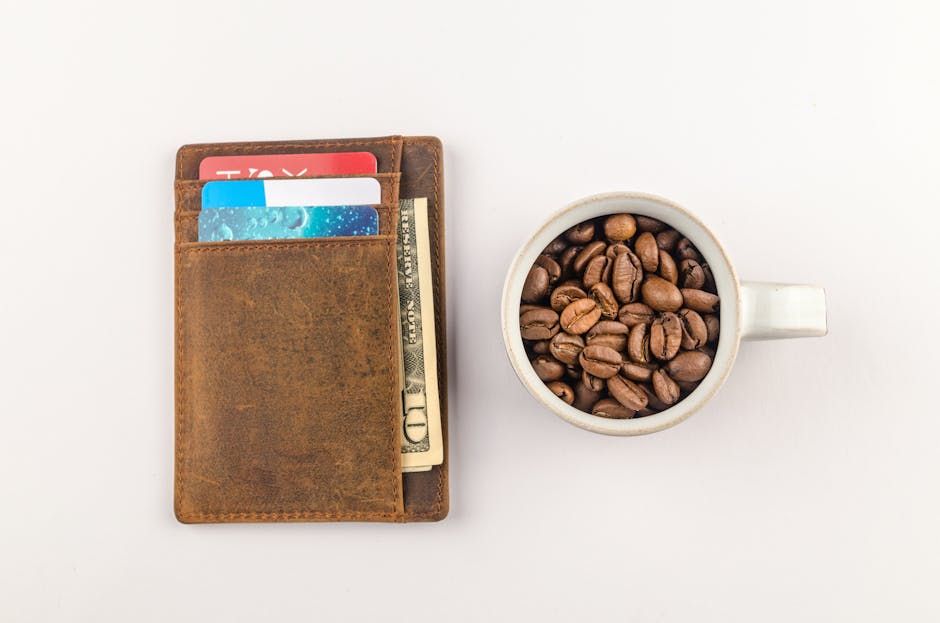
You’ve probably noticed your morning coffee costs more lately. Maybe your regular cup went up by a dollar or even more. That sting at the register is real, but the cost of your coffee isn’t wholly set by your go-to cafe. Rather, its price is shaped by large-scale forces that the end consumer barely sees over the rim of their cup.
Coffee doesn't grow well everywhere, and it typically has to be imported to temperate zones like the United States. There are two main bean types, Arabica and Robusta, and global demand and unpredictable weather tied to climate disruptions can radically affect both.
This guide helps ordinary coffee lovers better understand why their favorite morning beverage seems to be costing more, and where coffee prices might go from here.
2 / 9
The two main coffee types

Mockuuups via Unsplash
Understanding coffee starts with its beans. Nearly all coffee comes from the two species, Arabica and Robusta. While both share the same basic processing steps — harvesting, drying, roasting, and brewing — their flavor profiles, growing conditions, and economic impact differ in important ways.
3 / 9
Arabica
Arabica beans account for about 60% of global coffee production. These beans grow at higher altitudes, often on cooler mountain slopes in countries such as Colombia, Ethiopia, and Costa Rica. They deliver a smooth, sweet cup with notes that can range from floral and fruity to chocolatey, and specialty coffee shops tend to favor Arabica because its nuanced flavors shine in lighter roasts.
That delicate flavor comes with downsides. Arabica crops are sensitive to heat, pests, and erratic rainfall. Even slight shifts in weather can hurt yield and quality. This is why Arabica is generally more expensive and considered a premium choice among coffee lovers.
4 / 9
Robusta
Robusta makes up the remaining roughly 40% of worldwide production. It has a stronger, more bitter taste and more caffeine — about double that of Arabica. Robusta is cheaper to grow, more heat- and pest-resistant, and thrives at lower elevations in regions such as Vietnam, Uganda, and Indonesia.
Robusta beans are used in instant coffee and espresso blends due to their bold flavor and crema-enhancing properties. Despite higher caffeine, Robusta is often used in decaf blends because its overall stronger flavor tends to survive the decaffeination process better.
Robusta has definitely earned itself a place in global coffee markets, both for regular and decaf buyers. However, extreme weather in the areas where it's grown can still affect yields, and poor-quality Robusta beans tend to taste overly harsh.
5 / 9
What’s driving coffee prices up?
Coffee prices rise due to a mix of linked farm-level and global economic factors. While the cup in your hand might seem like a small daily indulgence, its price reflects a vast and complex chain of production, trade, and humanitarian as well as environmental realities. From the seedling stage on remote tropical farms to the polished espresso machine in a downtown café, each step is vulnerable to shifts in climate, policy, and market speculation.
Even seemingly unrelated issues — such as fuel shortages or currency fluctuations — can ripple through and impact what you pay. It’s a delicate balance where demand, supply, and global conditions constantly interact and affect price.
6 / 9
Increasing demand
Worldwide coffee consumption is rising as more people enjoy the brew. In places where drinking coffee was once rare — such as parts of Asia and Africa — urbanization and higher incomes are driving growth. As coffee culture spreads, more people want espresso shots, cold brews, and premium drinks.
Specialty shops and premium brands mainly sell high-quality Arabica, boosting demand for the beans. But farms can struggle to ramp up supply fast enough, especially when weather affects harvests. The result is upward pressure on prices.
7 / 9
Weather and climate disruptions
Both Arabica and Robusta beans require steady weather conditions, including consistent rainfall and predictable temperatures. Too little water stresses the plants, while too much encourages diseases and mold. As global temperatures rise, farmers often need to shift plantings to higher altitudes.
Climate change intensifies extreme weather — droughts, floods, and storms — which can reduce yields and lower bean quality. Pests like the coffee berry borer are spreading into new regions, further threatening crops. These disruptions not only affect the livelihoods of farmers but also push prices higher throughout the supply chain, from wholesale markets to your local latte shop.
With growing demand worldwide, balancing production between Arabica and Robusta becomes increasingly important to maintain a stable supply and keep coffee affordable.
8 / 9
Trade policies and tariffs
Coffee is one of the most traded commodities worldwide. It’s grown mostly within the tropical "coffee belt" near the equator but consumed around the globe, far from where it's produced. This means prices can be affected by shipping costs, fuel, currency swings, import rules, and speculation in commodity markets.
Trade restrictions or tariffs also raise prices for roasters and retailers. For example, tariffs on Brazilian coffee can filter down to consumers. Since coffee moves through multiple intermediaries after it leaves the grower — processors, exporters, importers, and retailers — each adds costs that ultimately affect the price in your cup.
9 / 9
What experts say about the future of coffee prices
Analysts agree that coffee prices will likely stay high or rise further. A 2025 Reuters analysis noted global coffee prices hit multi-decade highs due to weather challenges in major production regions such as Brazil and Vietnam. Experts have sounded the alarm that climate change will continue to shrink available coffee-growing areas, possibly by half over time.
Farmers are experimenting, though. They’re shifting coffee production to new locations, planting more resilient varieties, or using shade trees to protect crops. Some are exploring advanced irrigation systems or intercropping with other plants to shield coffee from heat stress. However, these methods take years — and significant investment — to yield results.
Coffee drinkers may face not just higher prices but also changes in bean availability and flavor, as beloved Arabica varieties struggle to adapt. Specialty coffee shops may need to diversify sourcing, relying more on Robusta blends that taste different from what consumers are used to.
Overall, fewer suitable growing areas mean less supply, higher prices, and potentially different taste profiles in your cup.