
The world's biggest earthquake alert network runs on Android phones
Android phones now detect and report quakes, offering pre-shake warnings to phone users in 98 countries
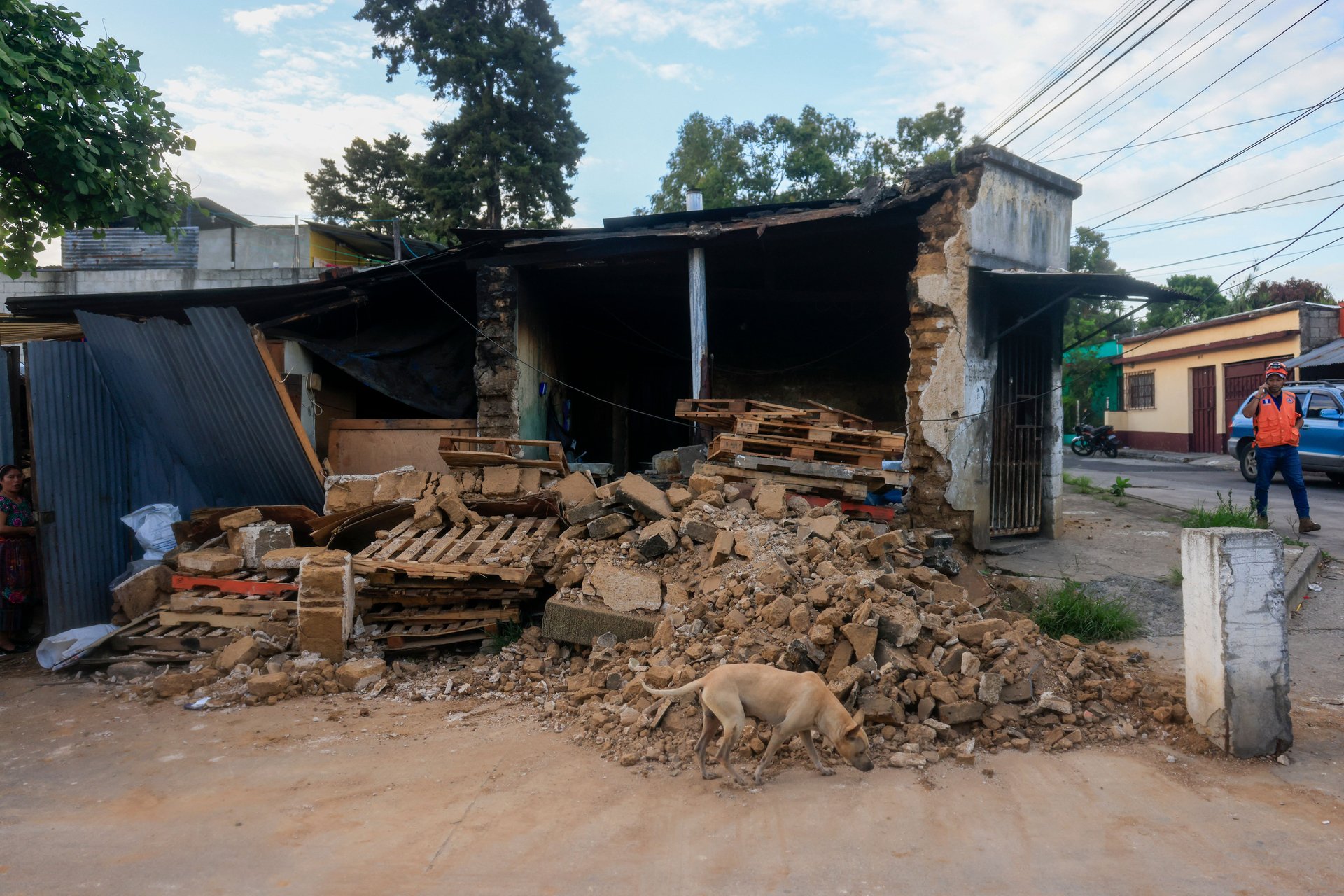
STRINGER/AFP via Getty Images
Earthquakes are unpredictable, but a growing number of people around the world are getting a heads-up before the shaking starts thanks to something you probably have in your pocket right now: your smartphone.
Traditional earthquake early warning systems rely on seismic stations to detect tremors and send out alerts. The problem? These systems are expensive to build and maintain, and a lot of earthquake-prone regions simply don’t have them. That’s where a new Android-based system is stepping in — and shaking things up in a good way.
Related Content
In a new study published this week in Science, researchers from Google $GOOGL and partner institutions shared results from the Android Earthquake Alerts (AEA) system. Over the past three years, it’s expanded earthquake warning coverage from 250 million people to 2.5 billion. The system, available on Android phones in 98 countries, uses built-in sensors to detect shaking and send alerts to nearby users within seconds.
Turning phones into seismic sensors
Here’s how it works: when your Android phone is sitting still and suddenly detects movement — like the P and S waves that signal an earthquake — it sends a quick, anonymous ping to Google’s servers. If a bunch of nearby phones do the same thing, the system triangulates the data to estimate the quake’s location, size, and timing. Then, if the shaking is strong enough and the earthquake has a magnitude of 4.5 or higher, it sends out alerts in real time.
In just three years, the system detected over 11,000 earthquakes (ranging from magnitude 1.9 to 7.8) and sent more than 1,200 alerts to phones around the world. Even better? It’s getting smarter. The accuracy of its magnitude estimates has improved dramatically, and the alert system performs nearly as well as traditional networks.
A little warning goes a long way
The alerts come in two types: “BeAware,” which lets you know shaking is coming, and “TakeAction,” which is more urgent and includes instructions like “Drop, Cover, and Hold On.” Those high-priority alerts override silent mode and take over your screen — because in a moment like that, you don’t want to miss it.
So far, the feedback has been overwhelmingly positive. In surveys, 85% of users who got an alert said it was “very helpful,” and over a third said they got the warning before the shaking started — giving them crucial seconds to act. Even users who didn’t feel the quake still appreciated the heads-up and said they’d trust the system more next time.
Global reach, real impact
Android phones make up more than 70% of the world’s smartphones, so this system can reach places where traditional seismic networks can’t. And that’s a big deal — especially in countries where earthquake preparedness is limited.