
Trump borrows a page from Biden on bringing down gas prices
High gas prices represent a major political vulnerability for the president, similar to Biden in 2022
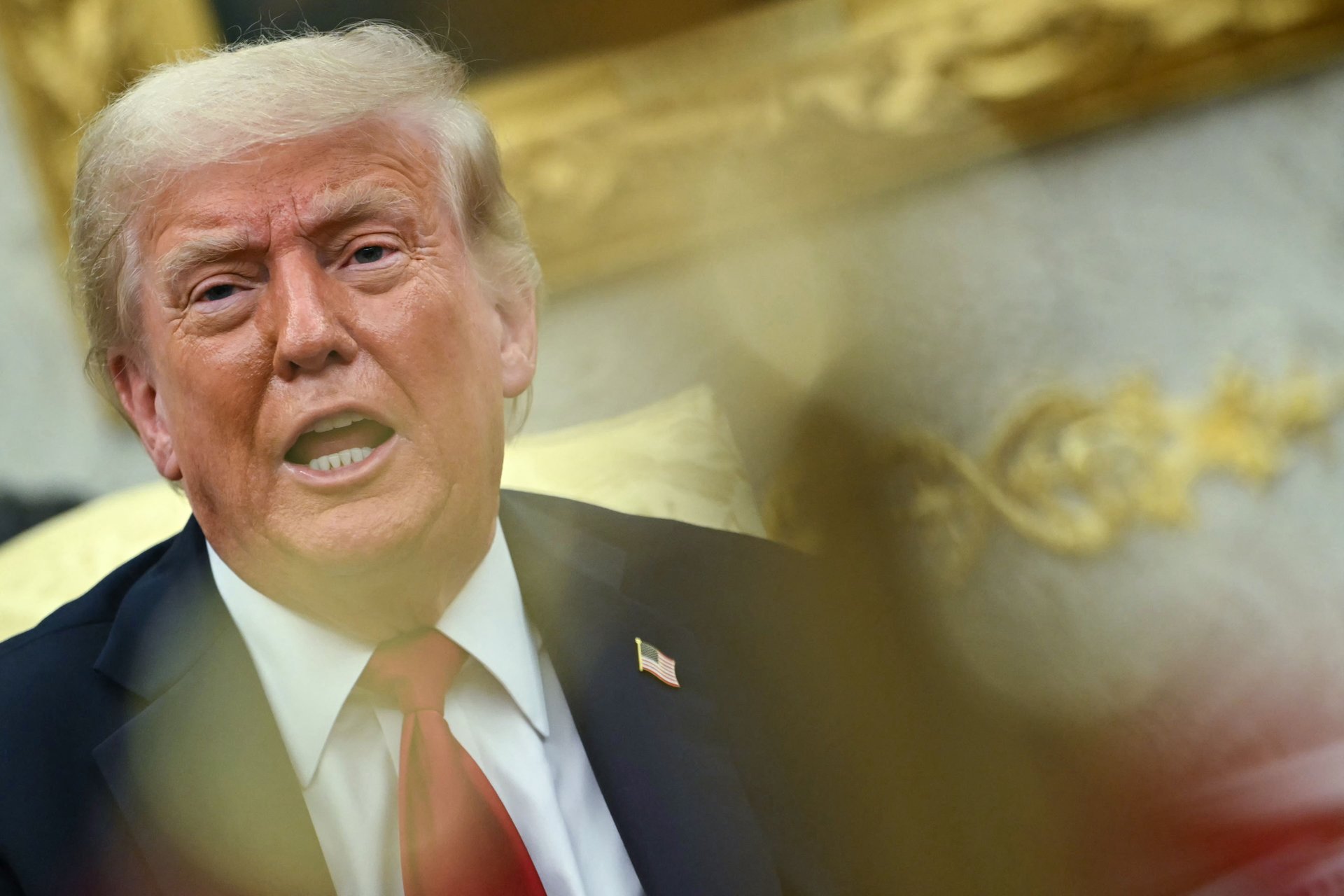
US President Donald Trump speaks in the Oval Office of the White House in Washington, DC on July 14, 2025. (Andrew Caballero-Reynolds/AFP via Getty Images)
The Trump administration is struggling to contain scorching gas price increases in the wake of the U.S. war with Iran. Consumer sentiment, meanwhile, is plunging to record lows, driven by concern among Americans of price hikes that stick around and stretch their budgets.
Elevated gas prices represent a major political vulnerability for President Donald Trump going into the November midterms. There's little sign of immediate financial relief for Americans refilling their gas tanks while a shaky U.S.-Iran ceasefire holds. The U.S. Energy Information Administration forecasted last week that gas prices will average more than $3.70 the rest of the year.
Related Content
Now, Trump's lieutenants are signaling they'll call out alleged instances of price gouging among gas stations to tame prices and deflect blame on their part.
"We'll be looking at Treasury to keep the retail gas stations honest. 'You did this on the way up, you better be doing this on the way down.'," Treasury Secretary Scott Bessent said at a CNBC summit on Wednesday morning. "And I'm sure the president will call out anybody who's a bad actor."
Asked if it was a warning, Bessent responded: "I'm sure everyone involved will be a good actor."
The Trump administration's approach mirrors a familiar piece of President Joe Biden's playbook when he faced similar circumstances in the first half of his term. As rising gas prices dented his approval ratings in late 2021, Biden initially prodded the Federal Trade Commission to kickstart an investigation into alleged "anti-consumer behavior" among oil and gas companies.
Presidents have little sway over gas prices. The price of gasoline closely tracks the cost of crude oil, a commodity that's traded globally with fluctuating supply and demand determining its price. If fewer oil supplies reach the market due to geopolitical events or a crisis, it typically causes gas prices to increase. Driving is unavoidable for many Americans who have little option but to pay up at the pump.
Biden grappled with a fresh challenge after Russian forces swept into Ukraine in February 2022. The invasion sparked a wave of inflation that quickly hit gas prices and dealt a blow to both consumer confidence and Biden's approval ratings heading into the year's midterms. The Biden administration struggled to shake off criticism at the time that it wasn't responsive to voters' economic concerns.
According to Gallup polling, Biden's overall approval rating hovered around 40% for most of 2022.
Gas prices peaked four months after the Russia-Ukraine war began at just above $5 per gallon, as the Biden administration possessed few tools at the federal level to rein in staggering price increases. Under pressure to respond, Biden attempted to call out oil and gas companies into keeping prices down.
"Do not — let me repeat, do not — do not use this as an excuse to raise gasoline prices or gouge the American people," Biden said in issuing a "warning" to oil and gas executives in September 2022. "Don't gouge the American people."
Research from Federal Reserve analysts in 2024 found that instances of price mark-ups in certain industries like petroleum and automobiles had grown more common since the pandemic. However, the pace hadn't been significant enough to explain Biden-era inflation, which was also driven by clogged supply chains.
Some experts, though, argue the Trump administration bears at least part of the blame for higher prices since it moved ahead with a pre-emptive war on Iran.
"Companies can use episodes of economic shocks and chaos to hike their prices beyond their input costs, and using the bully pulpit to jawbone is a tried and true presidential tactic," Alex Jacquez, an ex-Biden White House aide who is now at the left-leaning Groundwork Collaborative, told Quartz. "The difference here is that Trump pressed the $4 gas button for no reason. If he should be pointing the finger at anyone for gouging Americans at the pump, he should be pointing it at himself."
For Trump, pulling out the bullhorn is back in style. He's already employing a combative approach to rein in rising fertilizer prices, a critical element for farmers' planting seasons.
“The United States will not accept PRICE GOUGING from the fertilizer market,” he added in his Truth Social post. “American Farmers, we have your back.”